


Table of Contents
Why Roll Off Container Financing Matters in 2026
You May Also Like

Most businesses need productive assets before they have the cash to pay for them outright. For waste haulers, recycling operators, demolition contractors, and environmental service companies, that reality is especially sharp. The right financing structure can mean the difference between controlled growth and a balance sheet that is always one bad month away from trouble.
The bigger mistake most operators make is treating financing as a paperwork step that happens after the purchase decision is already locked in. That is the wrong order. The payment amount, the term length, the tax treatment, and the full operating cost should all inform the purchase decision from the start.
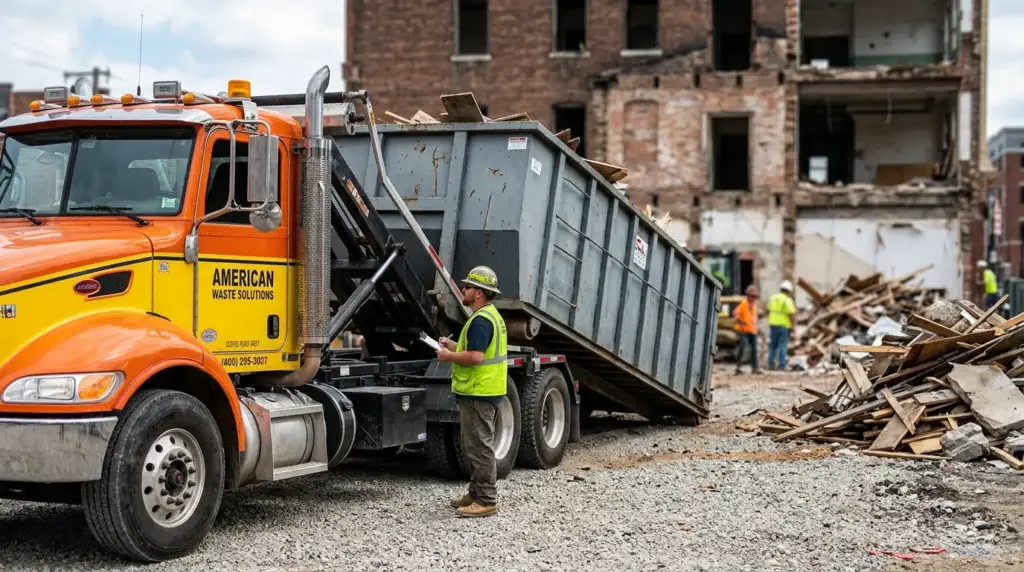
Roll off containers are revenue assets when they are assigned to paying customers, construction sites, recycling accounts, or municipal jobs. The financing decision should account for container size mix, customer demand, delivery cycle, and the truck capacity needed to keep those containers moving.
In 2026, buyers also need to keep an eye on interest rates, lender standards, tax planning, and cash reserves. The bank prime loan rate stood at 6.75% in May 2026 according to FRED data, which influences variable-rate business lending broadly.
What Is Roll Off Container Financing?
Roll Off Container Financing is a funding arrangement that helps a business acquire roll off containers or related business assets through scheduled payments. Depending on the structure, that may involve a loan, a lease, a line of credit, an SBA-backed program, a dealer program, or a vendor program.
In most cases, the asset being purchased supports the financing decision. It may serve as collateral, which reduces lender risk compared with a fully unsecured loan. That does not mean approval is automatic.
The goal for the business owner is not simply to qualify. The goal is to choose terms that fit real operating conditions, month in and month out. The question to ask is not just whether you can get approved. The stronger question is whether this asset can pay for itself after all costs are factored in.
How the Financing Process Usually Works
It starts with a business need. The owner identifies a gap, maybe limited capacity, aging equipment, new contracts, or customer demand that cannot be met with current assets.
Next, the buyer estimates the cost of the equipment and the expected business return. This step is important because roll off container financing should connect directly to revenue, efficiency gains, or service quality improvements.
Lenders typically ask for bank statements, tax returns, financial statements, invoices, purchase agreements, business licenses, and asset details. A lender reviews the borrower and the asset. If approved, they issue terms that include the financed amount, down payment, payment schedule, rate, term, fees, and collateral conditions.
A well-organized file moves quickly. Treat financing like a strategic decision, not a last-minute task.
Main Financing Options to Compare
Equipment Loans
Equipment loans are the most common option for buyers who want long-term ownership. The business borrows money, makes payments over time, and owns the asset outright when the loan is paid off. This can also help build equity that supports future borrowing.
Equipment Leasing
Leasing can lower upfront cost and offer flexibility, especially for businesses that want newer equipment on a regular cycle. Review all end-of-term obligations carefully before signing.
SBA Financing
SBA financing may fit qualified businesses that need larger funding amounts or longer repayment structures. The SBA notes that standard 7(a) loans can go up to $5 million, subject to eligibility and lender approval. This path typically takes longer, so it is better suited to businesses with time to complete the process.
SBA 7(a) Loans: https://www.sba.gov/funding-programs/loans/7a-loans
Dealer and Vendor Financing
Dealer and vendor financing can be convenient because the financing conversation happens near the point of sale. That convenience should not replace comparison shopping. Always review total repayment, fees, term length, and prepayment conditions against at least one outside offer.
Working Capital and Lines of Credit
Short-term working capital financing is generally not the right tool for buying a long-term asset. Where it can help is in covering related costs after purchase. Used carelessly, it becomes expensive debt stacked on top of an equipment payment.
What Lenders Review Before Approval
Lenders start with credit because it shows repayment history. Strong credit can improve both approval odds and pricing. Weak credit does not always mean denial, but it often means higher costs or a larger required down payment.
Time in business matters because it gives lenders more evidence to evaluate. Startups may still qualify, but they often need stronger personal credit, more cash down, and a clearer business plan.
Revenue matters, but cash flow matters more. Lenders want to know whether the business can handle payments during average months, not only during its best ones.
The asset is also reviewed carefully. For waste and recycling equipment, the asset should support the work the business actually performs, not an unrealistic expansion plan.
Industry experience helps. A borrower who understands operations, maintenance, pricing, and compliance risk typically looks stronger to a lender.
Costs, Terms, and Fees to Understand
Monthly payment is only one part of the picture. Business owners need to look at the full cost of capital.
Interest rate matters, but APR and total repayment are often more useful for comparison. A lower rate with heavy fees may not be better than a slightly higher rate with cleaner terms.
Repayment term shapes the economics significantly. The best term generally matches the asset’s useful life. Avoid paying for equipment long after it has stopped producing reliable value.
Down payment is another key variable. A larger down payment can improve approval odds and reduce payment size, but it also reduces cash reserves the business needs for operations.
Fees deserve attention. Origination fees, documentation fees, filing fees, broker fees, and closing costs all affect the real cost.
Build a full cost estimate before applying. If the asset cannot support the payment plus operating costs, the deal is not strong enough.
2026 Tax and Rate Considerations
Tax planning matters, especially for equipment purchases. Section 179 may allow eligible businesses to deduct the cost of qualifying property placed in service during the tax year, subject to limits, taxable income rules, and business-use requirements.
For 2026, verify current limits directly with IRS guidance and a CPA before relying on any deduction. The prime rate of 6.75% shown in May 2026 FRED data means many business credit products continue to carry meaningful borrowing costs.
The takeaway is not to wait for a perfect rate environment. It is to compare carefully, protect cash flow, and avoid financing that only works under optimistic assumptions.
IRS Publication 946: https://www.irs.gov/publications/p946
Step by Step Guide Before You Apply
- Define the business reason. Are you adding capacity, replacing aging containers, serving new contracts, or supporting compliance needs?
- Estimate the financial return. Calculate likely revenue, cost savings, or productivity gains. Subtract the expected payment and all related operating costs.
- Set a realistic budget that includes down payment, taxes, insurance, delivery, setup, maintenance, and emergency reserves.
- Review your credit and financial records. Fix errors if possible. Organize bank statements, tax returns, financial statements, and ownership documents.
- Compare asset options. Do not buy the most expensive unit simply because financing is available.
- Get more than one financing quote. Compare payment, APR, term, fees, total repayment, and prepayment conditions.
- Review the final agreement carefully. Make sure written terms match what was discussed.
- Keep cash after closing. The first months after a major purchase often bring unexpected costs.
How to Improve Approval Odds
Strong documentation can make a real difference. Lenders want to see organized numbers, clear ownership, and a believable business case.
A larger down payment may help if the file carries risk. It reduces the amount financed and gives the lender more protection.
If credit is weak, explain the issue directly. A one-time problem is easier to understand than a pattern of unexplained late payments.
If the business is seasonal, show how cash flow works during slower periods. Lenders need to understand the full year.
If the business is young, emphasize experience. Contracts, customer history, and management skill all support the application.
Common Mistakes to Avoid
Shopping only by monthly payment. This can hide a high total cost.
Ignoring fees. Fees change the real economics of any deal.
Skipping tax advice. Section 179 and depreciation can provide real value, but only when applied correctly.
Buying more than the business needs. Overbuying creates payment pressure that does not ease when conditions get tight.
Using all available cash for the down payment. The business needs reserves after closing.
Failing to inspect the asset. A cheap purchase can become very expensive if repairs begin immediately.
Mismatching the term to useful life. Financing should not outlast the asset’s ability to produce value.
Accepting unclear terms. If a lender or seller cannot explain the deal plainly, slow down.
When Financing Makes Sense, and When It Does Not
Roll off container financing makes sense when the asset supports clear business value, whether that comes from new revenue, lower costs, faster service, more capacity, or reduced downtime.
It may not make sense when the business case is weak or when current debt is already heavy. Adding another payment further reduces flexibility and tolerance for slow periods.
The strongest financing decisions tend to be straightforward in the best way. The numbers work, the asset is appropriate, the terms are clear, and the business has cash left after closing.
A Practical Example
A waste hauling operator is considering roll off container financing for a new purchase. Instead of signing immediately, the owner builds a simple forecast including expected monthly revenue, operating costs, maintenance, insurance, taxes, and the financing payment.
The owner also runs a downside scenario. What happens if sales come in 15% lower? What if the containers need repairs? What if a major customer pays late? In the base case, the deal works. In the downside case, the business can still survive with enough cash kept in reserve.
Two offers are compared. One has a lower monthly payment but a longer term and higher total repayment. The other has a slightly higher payment, cleaner fees, and a shorter payoff timeline. The second offer gets chosen because it better matches the asset’s useful life and total economics.
Frequently Asked Questions
What credit score do I need?
There is no universal minimum. Strong credit helps with both approval and pricing. Some lenders work with challenged credit if the rest of the file is strong.
Can startups qualify?
Yes, but with stricter requirements. Lenders may ask for a larger down payment, strong personal credit, industry experience, and proof of contracts.
Is leasing better than financing?
Leasing may be better if the business wants flexibility, regular upgrades, or lower upfront cost. Financing may be better for long-term ownership and control.
Can I use Section 179?
Possibly, but eligibility depends on business use, placed-in-service timing, taxable income, asset type, and current IRS rules. A CPA should confirm the treatment.
How fast can funding happen?
Timing depends on the lender, the asset, and how organized your documentation is. A complete, clean file moves faster than one with missing information.
Should I use a broker, bank, dealer, or direct lender?
Each has advantages. Banks may offer competitive terms. Dealers offer convenience. Brokers provide access to multiple lenders. The right choice depends on pricing, speed, transparency, and fit.
What is the biggest risk?
Taking on a payment the business can only afford under perfect conditions. A strong financing deal should survive normal delays, unexpected repairs, and slower sales periods.
Conclusion
Roll off container financing can be a smart way to grow a waste or recycling business without draining cash. But financing only becomes useful when the purchase is tied to real business value and the terms are affordable under realistic conditions, not just optimistic ones.
Before applying, review the asset, the full payment picture, operating costs, tax treatment, lender terms, and cash reserves. Compare multiple offers and avoid making decisions based only on the monthly payment.
The goal is not just getting approved. It is making a financing decision that leaves your business stronger after the purchase than it was before.
