


Running a business means making constant decisions about where your money goes. One of the most significant decisions you’ll face is how to finance the equipment your operations depend on. Equipment financing 2026 is redefining how U.S. businesses acquire what they need, whether that’s a commercial truck, a CNC machine, a medical imaging system, or a fleet of landscaping vehicles, without draining your cash reserves. Right now, the market conditions are particularly favorable for businesses that know how to navigate them.
You May Also Like
This guide covers everything you need to know about equipment financing 2026, from current market data and approval rates to tax advantages and tips for choosing the right lender.
Table of Contents
What Is Equipment Financing 2026?
Equipment financing 2026 is a form of business lending that allows companies to acquire the equipment they need without paying the full purchase price up front. Instead of handing over a lump sum, you make predictable monthly payments over a set term, anywhere from 24 to 84 months, depending on the lender and asset type. The equipment itself typically serves as collateral, which makes this form of financing more accessible than unsecured business loans.
In its simplest form, equipment financing 2026 breaks down into two main structures: equipment loans and equipment leases. A loan means you own the asset from day one and build equity as you pay it off. A lease keeps payments lower and gives you flexibility to upgrade when the term ends.
What makes equipment financing 2026 a particularly strong opportunity is the combination of a booming lending market, updated tax incentives, and faster digital approval processes. If you’ve been putting off a major equipment purchase, the current conditions may be better than you think.
The Equipment Financing Market in 2026: Key Numbers
The equipment finance industry is not just surviving in 2026, it’s thriving. According to the Equipment Leasing and Finance Association (ELFA), the industry now represents a $1.3 trillion market, with new business volume hitting record levels in early 2026. January 2026 set an all-time high for monthly new business volume, and February followed with $11 billion in new financing activity, making it only the second time in history the industry reached that mark.
Year-to-date new business volume through February 2026 was up 22.2% compared to the same period in 2025. Total new business volume for March 2026 came in at $10.8 billion on a seasonally adjusted basis, and Q1 2026 overall recorded the strongest quarter in the history of ELFA’s survey. Annual originations across the industry reached $1.02 trillion in the most recent full-year data.
“Geopolitical tensions and economic uncertainty appear to have hit another gear in 2026, but demand for equipment has so far been unaffected.”
Leigh Lytle, President & CEO, ELFA
The data also shows that over 80% of U.S. businesses use some form of equipment financing. That’s not a niche strategy, it’s the mainstream approach to capital equipment acquisition, and the numbers behind equipment financing 2026 confirm this trend is only accelerating.
Types of Equipment Financing Available in 2026
Not all equipment financing 2026 products are built the same way. Understanding your options helps you pick the structure that fits your business goals, tax strategy, and monthly cash flow.
Equipment Loans
An equipment loan gives you ownership of the asset from day one. You make fixed monthly payments over an agreed term, and once the loan is paid off, the equipment is yours free and clear. This structure suits businesses that plan to use the equipment for many years and want to maximize Section 179 tax deductions.
Equipment Leases
Leasing is the preferred choice for businesses that want lower monthly payments and the flexibility to upgrade equipment at the end of the term. Lease payments are typically 100% tax deductible as a business expense. Because the leasing company retains ownership throughout the term, leases often come with more flexible approval criteria, helpful for newer businesses or those with less-than-perfect credit.
Equipment Lines of Credit
One of the fastest-growing products in equipment financing 2026 is the equipment line of credit. Think of it like a revolving credit account specifically for equipment. You can draw funds multiple times up to a pre-approved limit without submitting a separate application each time. ELFA data shows equipment line of credit usage grew 24% in 2025, with average line sizes of $350,000 for businesses with $2–10 million in annual revenue.
Working Capital Loans
Sometimes you need cash to support operations around a major equipment purchase, covering installation costs, training, delivery, or bridging revenue gaps while new equipment ramps up. Many specialty lenders, including Vitality Finance, offer working capital funding alongside equipment loans so you’re not forced to choose one or the other.
Equipment Financing 2026: Rates and Approval Data
Interest rates on equipment financing 2026 have stabilized following the Federal Reserve’s elevated rate cycle of 2023–2024. Rates now vary significantly based on your credit profile, time in business, equipment type, and the lender you choose.
Equipment Financing 2026 Interest Rate Benchmarks
| Credit Score Tier | Approximate APR Range |
|---|---|
| Prime (720+) | 6%–10% |
| Good (680–719) | 9%–15% |
| Fair (640–679) | 14%–24% |
| Challenged (Below 640) | 20%–35%+ |
Approval Rates by Equipment Type in 2026
- Transportation equipment (commercial trucks, trailers): ~86% approval rate
- Medical and healthcare equipment: ~81% approval rate
- Construction equipment: ~77% approval rate
- Specialty lenders overall: 78%–84% approval rate
These rates are notably higher than what you’d find at traditional banks, which often apply stricter underwriting standards. Working with a lender who specializes in your type of equipment makes a real difference in your equipment financing 2026 outcome. External Reference: ELFA CapEx Finance Index
Section 179 Tax Benefits: How Financing Saves You Even More in 2026
One of the most compelling reasons to pursue equipment financing 2026 right now is the Section 179 tax deduction. For the 2026 tax year, businesses can deduct up to $2,560,000 of qualifying equipment purchases placed in service before December 31, 2026. The phaseout threshold starts at $4,090,000 in total equipment spending.
The One Big Beautiful Bill Act of 2025 also reinstated 100% bonus depreciation for qualifying property acquired and placed in service after January 19, 2025. Most businesses can now combine Section 179 with bonus depreciation to potentially deduct the full cost of qualified equipment in the year of purchase.
The critical detail most business owners miss: you can claim the full Section 179 deduction even if you used equipment financing 2026 to fund the purchase. You deduct the total purchase price in year one, then spread the payments over 36, 60, or 84 months. That’s a significant cash flow advantage.
Finance a $250,000 piece of equipment in 2026. At a 35% effective tax rate, the Section 179 deduction reduces your tax bill by $87,500 in year one. Your net cost drops to roughly $162,500, even though you only make monthly loan payments.
Equipment must be placed in service by December 31, 2026 to qualify. Given potential supply chain delays, start your financing process early if you want to capture this year’s deduction. Use the Vitality Finance Section 179 Calculator →
Top Industries Using Equipment Financing in 2026
Equipment financing touches virtually every corner of the U.S. economy. Certain industries account for the largest share of equipment financing 2026 volume and benefit most from specialized lending programs.
Construction & Infrastructure
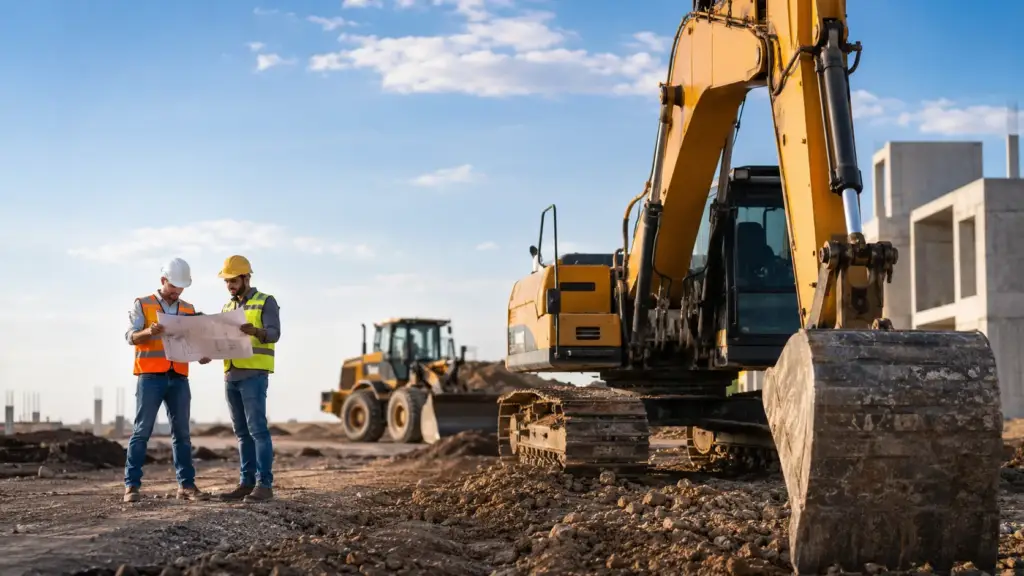
Construction leads all industries in financing volume. Federal infrastructure spending and reshoring drive strong demand for excavators, cranes, and bulldozers. A single large excavator costs $300,000–$500,000, making financing essential for most contractors. Approval rates: ~77%.
Healthcare & Medical
Healthcare represents 14% of total equipment financing volume. Medical practices, hospitals, and dental offices finance imaging equipment, surgical systems, and diagnostic tools. Average transaction size reached $156,000. Approval rates: ~81%.
Manufacturing & Industrial
Manufacturing accounts for 13% of financing volume. CNC machines, packaging systems, and industrial generators are among the most commonly financed assets. The reshoring trend and CHIPS Act have both created sustained new demand.
Transportation & Commercial Trucking
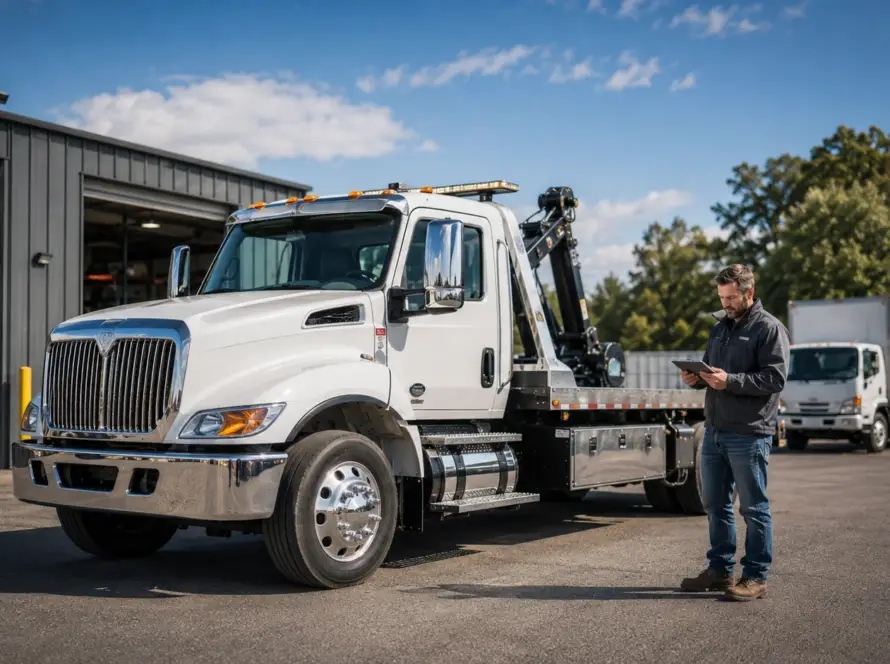
Commercial trucks and trailers have some of the highest approval rates at ~86%. Strong resale markets and predictable depreciation curves make transportation assets attractive to lenders.
Agriculture
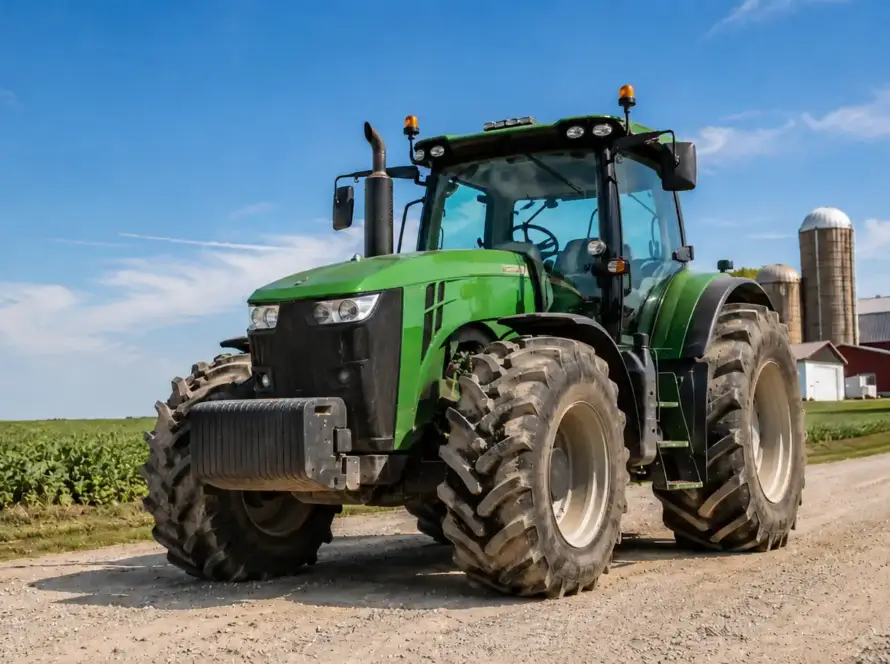
Farm equipment financing programs account for seasonal cash flow patterns, including options for deferred or reduced payments during the off-season. Tractors, combines, and harvesters require significant capital but generate predictable revenue.
Powerful Strategies to Get Approved, Equipment Financing 2026
A strong equipment financing 2026 market doesn’t automatically mean easy approvals. These seven strategies will strengthen your application and improve your chances of getting favorable terms.
Know Your Credit Profile Before You Apply
Pull your credit reports before applying so you’re not caught off guard. If your score is in a borderline range, take time to pay down revolving balances and resolve collection accounts first. Going in with a clear picture of your credit position lets you target the right lenders and avoid unnecessary hard inquiries.
Choose Equipment With Strong Resale Value
Lenders offer better rates on equipment with a healthy secondary market. Commercial trucks, medical devices, and heavy construction machinery all hold value well. Specialized or custom equipment with limited resale appeal typically means stricter terms or higher rates.
Prepare Your Financial Documents in Advance
Most lenders want to see recent bank statements, business tax returns, and sometimes a profit and loss statement. Having these documents ready before you apply dramatically cuts turnaround time. Incomplete applications are one of the most common reasons deals slow down or fall through.
Work With a Specialty Lender Who Knows Your Industry
A lender who finances construction equipment day in and day out understands how those machines hold value and how project revenue flows. That expertise translates into better approval odds and more appropriate loan structures for your equipment financing 2026 needs. General banks often lack this context.
Consider a Soft Credit Check Lender
Many specialty lenders now offer soft credit inquiries during prequalification. A soft pull doesn’t affect your credit score, which means you can explore options without impacting your borrowing profile. Vitality Finance uses a soft credit check during the initial review process.
Use the Section 179 Deadline as a Planning Anchor
Equipment must be placed in service by December 31, 2026 to qualify for this year’s deduction. Work backward from that deadline to determine when you need to finalize financing, place your order, and schedule installation. Planning around the tax deadline often leads to faster, more decisive action.
Bundle All Costs Into One Financing Package
You can roll soft costs, delivery fees, installation, taxes, training, and warranty packages into a single equipment loan. This gives you one predictable monthly payment that covers everything and preserves more working capital for day-to-day operations.
How Technology Is Changing Equipment Financing in 2026
Technology is reshaping the entire equipment financing 2026 landscape, from how applications are reviewed to how payments are managed over time.
AI-Powered Underwriting
Artificial intelligence has fundamentally changed how lenders evaluate applications. Machine learning models now analyze bank data, cash flow patterns, and equipment collateral values in real time, cutting underwriting time by up to 80% in some cases. What once took weeks of document review now takes hours or even minutes, which means faster access to the equipment you need.
Equipment as a Service Models
Usage-based and subscription-style financing is gaining traction in 2026. Under an Equipment as a Service model, payments are tied to how much you actually use the equipment rather than fixed monthly amounts. For businesses with seasonal revenue cycles or variable production demands, this approach creates a natural alignment between equipment costs and cash flow.
Digital Self-Service Portals
Modern equipment financing platforms let you track applications, upload documents, manage payments, and view contract details without having to call a representative. These tools are increasingly mobile-optimized, so you can manage financing from a job site or warehouse floor, not just a desk.
AI Infrastructure Financing
The buildout of AI capabilities in U.S. businesses is driving demand for high-performance computing hardware, data center equipment, and advanced robotics. According to the Equipment Leasing and Finance Foundation, the AI investment boom remains a major tailwind for the industry and is expected to continue as more businesses integrate AI into their operations.
How to Choose the Right Equipment Financing Partner
With more lenders competing for your business than ever before, choosing the right equipment financing 2026 partner matters more than ever. The wrong lender can mean slow approvals, inflexible terms, and poor communication when problems arise.
Speed & Efficiency
In today’s business environment, time is money. A lender that takes three weeks to process an application can cost you a project or a seasonal opportunity. Look for lenders offering same-day decisions or approvals within 24 hours.
Flexible Payment Structures
Look for lenders who offer customized payment plans, including seasonal payment schedules, deferred first payment options, and step-up or step-down structures to match how your revenue actually flows.
Industry Knowledge
Your lender should understand what you do. Do they know the typical useful life of your equipment? Do they understand how project-based revenue works? Industry expertise leads to better loan structures and a lender who can actually be helpful when challenges arise.
Transparent Terms
The core terms should be clear: your rate, monthly payment, total cost of financing, any prepayment penalties, and what happens if you need to defer a payment. If a lender is vague about their terms, that’s a warning sign.
Financing Range
Make sure the lender can handle your deal size. Look for a lender with a wide enough range to serve your current needs and accommodate future growth, ideally from $10,000 to $5 million or more.
Frequently Asked Questions About Equipment Financing 2026
Q1: What credit score do I need for equipment financing 2026?
There’s no single minimum credit score that applies to all lenders. Most traditional lenders prefer a score of 680 or higher, while specialty lenders often work with scores in the 600–640 range. Some programs evaluate the overall strength of your business, including revenue, time in business, and equipment type, rather than relying solely on credit scores.
Q2: Can a startup qualify for equipment financing 2026?
Yes, startups can qualify, but the terms and requirements differ from established businesses. Lenders typically look at the business plan, the owner’s personal credit, and the value of the equipment being financed. Equipment with strong resale value is particularly helpful for startups because it reduces lender risk. Some programs are specifically designed for businesses with less than two years of operating history.
Q3: How long does approval take for equipment financing 2026?
Approval timelines depend on the lender, the deal size, and the completeness of your application. Many specialty lenders now offer same-day decisions on straightforward applications. For more complex deals, you might wait two to five business days. The fastest approvals happen when you have your documents ready upfront: recent bank statements, tax returns, and equipment details.
Q4: Can I still claim the Section 179 deduction if I finance the equipment rather than paying cash?
Yes, absolutely. Section 179 is based on when the equipment is placed in service, not on how you paid for it. Whether you use equipment financing 2026 for the full amount, put down a deposit, or pay cash, you can still claim the deduction for the full purchase price, as long as the equipment qualifies and is operational by December 31, 2026.
Q5: What is the difference between an equipment loan and an equipment lease in 2026?
The key difference is ownership. With an equipment loan, you own the asset from day one and build equity with each payment. With a lease, the lender retains ownership throughout the term, and you make lower monthly payments in exchange. At the end of a lease, you typically have the option to buy, return, or upgrade. Loans work better for long-term ownership; leases work better when flexibility and lower payments are higher priorities.
Equipment Financing 2026: Make This the Year You Stop Waiting
Equipment financing 2026 is at a genuinely exciting crossroads. The market is at record volumes. Tax incentives are stronger than they’ve been in years. Technology is making the process faster and more transparent. And specialized lenders are more capable than ever of tailoring financing to how individual industries actually work.
The businesses growing right now aren’t waiting until they have enough cash saved up to buy equipment outright. They’re using equipment financing 2026 strategically to preserve working capital, capture tax deductions, and acquire the assets they need to win more business. Whether you’re in construction, healthcare, transportation, agriculture, manufacturing, or any other equipment-dependent industry, the tools are available to help you grow without draining your reserves.
The question isn’t whether equipment financing 2026 makes sense for your business. The question is which partner will help you do it right.
Ready to Get Equipment Financing That Works for Your Business?
Vitality Finance helps U.S. businesses across every industry get the equipment financing they need, fast. We finance commercial trucks, trailers, construction equipment, medical devices, agriculture machinery, manufacturing equipment, and more nationwide.
Disclaimer
Interest rates, tax limits, and approval criteria are subject to change. Section 179 information is for general educational purposes only; consult a qualified tax professional for advice specific to your situation. Vitality Finance makes no guarantees of approval or specific tax outcomes.
