


Running a business in 2026 means juggling a dozen financial priorities at once. Payroll has to be met. Inventory has to be stocked. And somehow, you also need the right equipment to keep operations moving. That tension between spending on growth and protecting your day to day cash is one of the most common challenges American business owners face. That is exactly where understanding equipment financing cash flow becomes a real competitive advantage.
You May Also Like

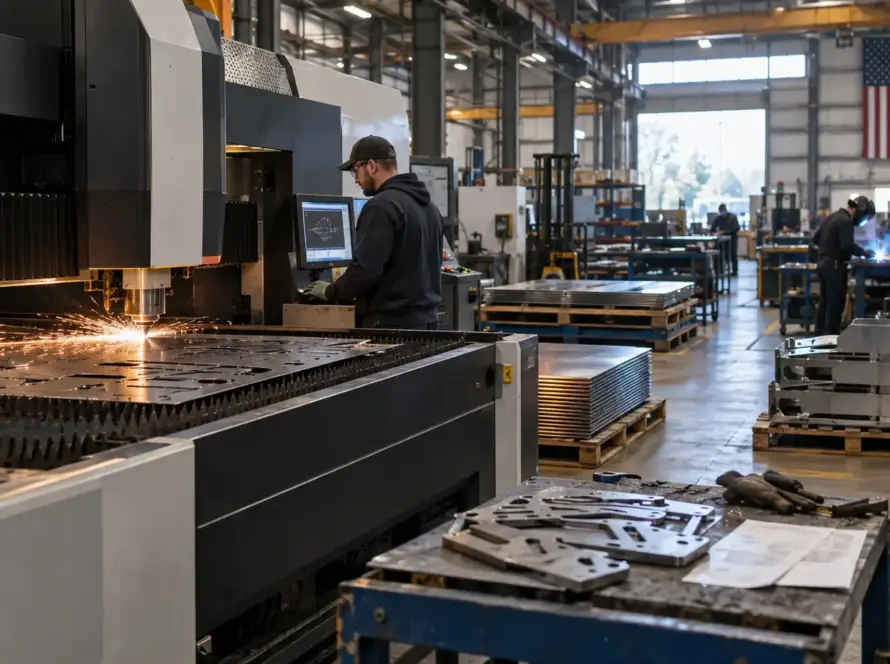
According to the Equipment Leasing and Finance Association (ELFA), over 80% of U.S. businesses use some form of equipment financing. The total U.S. equipment finance market now exceeds $1 trillion annually, making it one of the largest segments of commercial lending. Those are not just big numbers. They represent hundreds of thousands of business owners who chose to protect their cash instead of spending it all upfront on machinery, vehicles, and technology to optimize their equipment financing cash flow.
Table of Contents
This guide breaks down everything you need to know about equipment financing cash flow in plain, practical terms. From how loans and leases work to 2026 tax benefits and current market rates, you will leave with real knowledge you can act on.

Equipment Financing Cash Flow: 7 Powerful Ways to Protect Your Business in 2026
What Is Equipment Financing Cash Flow and Why Does It Matter?
Equipment financing is a loan or lease that lets a business acquire the machinery, vehicles, tools, or technology it needs without paying the full purchase price upfront. Instead of writing one large check, you make predictable monthly payments over a set term. The equipment usually serves as its own collateral, which makes the approval process more accessible than many traditional loans.
Cash flow, put simply, is the money moving in and out of your business. When you drain your reserves to buy equipment outright, you leave yourself exposed. A slow month, an unexpected repair bill, or a late paying client can suddenly become a serious problem. Cash flow problems are a primary reason small businesses fail, making preservation of working capital a top priority.
A proper equipment financing cash flow strategy solves this directly. Rather than a $150,000 lump sum payment for a piece of machinery, you might pay $2,800 a month over five years. That machine starts generating revenue on day one, often covering its own payment. Your reserves stay intact, and your business stays agile.
How Equipment Financing Cash Flow Works in Practice
Here is a straightforward example. Imagine a trucking company that needs to add a new semi truck to its fleet. The truck costs $180,000. Paying cash would wipe out operating reserves entirely and leave nothing for fuel, insurance, maintenance, or driver payroll.
Instead, they finance the truck over 60 months. Monthly payments come to around $3,500. The truck runs routes immediately, generating revenue that covers the payment and more. Cash flow stays healthy, and the equipment financing cash flow cycle continues smoothly. The business can even pursue additional contracts because it still has capital available.
Financing allows businesses to spread the cost over several years, converting a large one time expense into a manageable, predictable monthly payment. This keeps cash on hand for payroll, inventory, marketing, and other day to day operations that keep the business running smoothly.
That predictability is a major part of the value. Fixed monthly payments make budgeting easier. You know exactly what is going out each month, which means better overall equipment financing cash flow planning.
Equipment Loan vs. Lease: Which Fits Your Equipment Financing Cash Flow?
Not all equipment financing is the same. The two primary structures are loans and leases, and each one handles cash flow differently. Choosing the right one depends on your business goals, tax strategy, and how you want to structure your equipment financing cash flow.
Equipment Loans: Own It From Day One
With an equipment loan, you borrow a specific amount to purchase the equipment outright. The equipment becomes yours from the first payment. You build equity, benefit from Section 179 tax deductions, and eventually own the asset free and clear.
This structure works well for durable equipment with a long useful life: trucks, CNC machines, construction machinery, agricultural equipment. Fixed monthly payments make equipment financing cash flow planning simple. With an equipment loan, you typically own the asset outright once the final payment is made.
Equipment Leases: Lower Payments, More Flexibility
An equipment lease lets you use the equipment for a defined period without owning it. Monthly lease payments are generally lower than loan payments on the same equipment, because you are only paying for the use, not the full purchase price. At the end of the lease, you can return the equipment, renew, or buy it at a residual value.
Leasing is particularly valuable for technology driven equipment that becomes outdated quickly. For growing businesses trying to stay lean, leasing is often the smarter short term play. It keeps equipment financing cash flow flexible and opens the door to equipment upgrades without large capital outlays.
Working Capital: Filling the Gaps
Sometimes the equipment financing cash flow challenge is not about buying equipment at all. It is about having enough liquidity to operate while waiting on invoices, preparing for a busy season, or recovering from an unexpected expense. Working capital financing fills that gap.
Unlike equipment loans, working capital is unsecured, meaning no collateral is required. Funds can be used for any legitimate business purpose. Vitality Finance offers working capital solutions with funding available in as little as 24–48 hours, making it a fast and flexible tool for businesses in a pinch.
7 Powerful Ways Equipment Financing Cash Flow Management Strengthens Your Business
When used correctly, strategic equipment financing cash flow management does not just help you afford equipment. It actively improves your financial position across multiple dimensions.
- Preserve operating reserves: Every dollar you do not spend buying equipment outright is a dollar available for payroll, marketing, expansion, or emergencies. Keeping reserves healthy is what allows businesses to weather slow periods and seize new opportunities.
- Improve budget predictability: Fixed monthly payments make budgeting straightforward. You know exactly what is going out each month, which removes one major source of financial unpredictability. Predictable costs lead to more accurate equipment financing cash flow forecasting.
- Let revenue support the payment: Good equipment pays for itself. A new excavator takes on more contracts. A commercial kitchen upgrade supports more covers per night. When structured right, the revenue generated by financed equipment covers its own monthly payment and contributes to profit.
- Use Section 179 tax savings: Section 179 of the IRS tax code allows qualifying businesses to deduct the full purchase price of financed equipment in the year it is placed into service. For a business in the 25% tax bracket purchasing $150,000 in equipment, Section 179 provides approximately $37,500 in tax savings.
- Reduce upfront cash requirements: Many equipment lenders, including Vitality Finance, offer 100% financing. That means no down payment required for qualified applicants. Equipment cost, soft costs like delivery and installation, and applicable taxes can all be rolled into one monthly payment.
- Match payments to seasonal revenue: Progressive lenders now offer seasonal payment schedules that reduce obligations during slow periods and increase payments during peak revenue months. This particularly benefits your overall equipment financing cash flow if you run agricultural or seasonal operations.
- Keep capital available for growth: When your cash is not tied up in equipment, it is available for other high value investments: hiring skilled workers, expanding into new markets, or developing a better customer experience.
The Section 179 Tax Advantage: An Equipment Financing Cash Flow Multiplier
Section 179 deserves its own section because it fundamentally changes the equipment financing cash flow math. Most business owners know it exists, but many do not fully understand how powerful it is when combined with financing.
Here is the basic idea. Under standard tax depreciation rules, you spread the cost of equipment over several years. Section 179 lets you write off the entire purchase price in year one. For 2026, the deduction limit is set at $2,560,000, according to Vitality Finance’s Section 179 calculator, calibrated for the current tax year.
Now here is where financing makes it even better. Businesses can deduct the full cost of qualifying equipment in the year it is placed into service while only making the first year’s loan payments. Your tax savings arrive as a lump sum, while your payments stretch out over time. That gap is a pure equipment financing cash flow benefit.
Both new and used equipment qualifies for Section 179. That opens up a wide range of options for businesses working with tighter budgets to improve their equipment financing cash flow.
Section 179 Quick Example (2026)
| Equipment Cost: | $100,000 |
| Tax Bracket: | 24% |
| Section 179 Deduction: | $100,000 (full amount) |
| Estimated Tax Savings: | $24,000 |
| Effective Equipment Cost: | $76,000 |
Equipment Financing Cash Flow, Rates, and Terms in 2026
The lending market has stabilized significantly heading into 2026. The Federal Reserve held benchmark rates at 4.25% during the first quarter, providing a predictable foundation for commercial lending. That stability has trickled down into equipment financing, where rates are more predictable than they were during the volatility of 2022 and 2023.
Here is a breakdown of what to expect for your equipment financing cash flow in 2026:
- Equipment financing cash flow friendly rates: 4%–20% depending on lender and credit profile.
- Typical repayment terms: 24–72 months for most equipment loans.
- Down payments: Often 10%–20%, though zero down options exist for strong applicants.
- Credit score expectations: Traditional lenders prefer 680 or higher; alternative lenders may approve scores as low as 580.
Fixed rates are the go to for most small business owners in 2026. Knowing your exact payment for 60 months provides a safety net against future economic shifts. Vitality Finance offers terms up to 84 months and financing amounts from $10,000 to $5 million or more, ensuring optimal equipment financing cash flow.
Industries That Benefit Most From Equipment Financing Cash Flow Optimization
Equipment financing is industry agnostic in principle, but some sectors rely on healthy equipment financing cash flow more heavily than others. Understanding approval rates and dynamics in your industry helps you approach lenders with the right expectations.
Transportation and Commercial Trucking
Transportation equipment leads with an 86% approval rate, driven by strong resale markets and the essential nature of transportation assets. Semi trucks, box trucks, and trailers are among the easiest assets to finance.
Healthcare and Medical Equipment
Medical equipment follows closely with an 81% approval rate. Healthcare equipment generates consistent, measurable revenue, which creates excellent equipment financing cash flow stability.
Construction
The Equipment Leasing and Finance Association estimates that construction accounts for approximately 12 to 15% of total U.S. equipment financing volume by dollar value. Excavators, bulldozers, and loaders command favorable rates.
Agriculture
Seasonal payment structures are especially common in agriculture, where revenue is concentrated around harvest cycles. Vitality Finance works directly with agricultural operations to build payment plans that align with actual equipment financing cash flow timing.
Manufacturing
Manufacturing equipment finance has benefited from reshoring trends. CNC machines and industrial generators are in strong demand, and lenders are responding with competitive terms to support healthy equipment financing cash flow.
How to Qualify: What Lenders Look For in Your Equipment Financing Cash Flow
The qualification process for equipment financing is generally more accessible than traditional bank loans, but lenders do evaluate several key factors. Knowing what they look for in advance puts your equipment financing cash flow strategy in a stronger position.
2026 Trends Reshaping Equipment Financing Cash Flow
The equipment financing industry is evolving fast. Several trends are making financing more accessible, faster, and better aligned with the way modern businesses manage equipment financing cash flow.
AI Powered Approvals
Traditional approval processes that once required weeks of documentation review now leverage machine learning algorithms to assess creditworthiness in hours or even minutes. Modern lending platforms analyze real time equipment financing cash flow patterns and equipment utilization rates.
Adaptive Payment Structures
Deferred payment options have gained traction, allowing businesses to delay initial payments until equipment becomes operational. This structure reduces the immediate equipment financing cash flow burden during equipment installation and training phases.
Equipment as a Service (EaaS)
Instead of buying or leasing equipment outright, businesses pay monthly subscription fees typically covering equipment, maintenance, repairs, and future upgrades. This model converts large capital expenses into predictable monthly operating costs.
Frequently Asked Questions
Does equipment financing cash flow management really help, or does the monthly payment just replace the upfront cost?
It does more than just swap one payment for another. The key difference is timing and liquidity. A large lump sum payment drains your reserves immediately. Spreading that cost over 36 to 84 months keeps most of your cash intact. Many business owners find that optimizing equipment financing cash flow actually improves their overall financial position compared to paying upfront.
What credit score do I need to qualify for favorable equipment financing cash flow terms in 2026?
It depends on the lender. Traditional banks typically look for a personal credit score of 680 or higher. Specialty lenders and alternative financiers, including Vitality Finance, can often work with scores as low as 580. A strong revenue history and consistent equipment financing cash flow can compensate for a lower credit score in many cases.
Can I finance both new and used equipment?
Yes. Both new and used equipment qualify for financing with most lenders, including Vitality Finance. Used equipment can be an excellent option for businesses looking to acquire proven assets at a lower cost while maintaining a positive equipment financing cash flow.
How does Section 179 actually improve my equipment financing cash flow if I am still making monthly payments?
Section 179 creates a timing advantage that directly benefits equipment financing cash flow. You finance the equipment and make monthly payments, but in the first tax year, you deduct the full purchase price of the equipment. Those tax savings arrive as a lump sum while your loan payments are spread out over several years.
How fast can I get approved and funded through Vitality Finance?
Vitality Finance is built around speed and efficiency. Same day decisions are standard for most applications, and many transactions close and fund within 24–48 hours of approval. The application process starts with a soft credit check and typically requires basic business documents.
Conclusion: Mastering Your Equipment Financing Cash Flow
Managing equipment financing cash flow is not just a financial tactic. It is a long term business strategy. The companies that grow consistently are not always the ones with the deepest pockets. They are the ones who understand how to use capital efficiently, keep liquidity intact, and invest in the tools that generate revenue.
In 2026, the equipment financing market offers more options than ever, from flexible lease structures and AI powered approvals to seasonal payment plans and powerful Section 179 tax benefits. The businesses taking advantage of these tools are scaling faster and outmaneuvering competitors.
The key is choosing a financing partner who understands your industry, moves at your speed, and structures terms around your actual equipment financing cash flow, not a generic template.
Ready to Get Equipment Financing That Works for Your Business?
Vitality Finance helps U.S. businesses across every industry get the equipment financing they need, fast. We finance commercial trucks, trailers, construction equipment, medical devices, agriculture machinery, manufacturing equipment, and more nationwide.
Disclaimer
Interest rates, tax limits, and approval criteria are subject to change. Section 179 information is for general educational purposes only; consult a qualified tax professional for advice specific to your situation. Vitality Finance makes no guarantees of approval or specific tax outcomes.
