


A year-end equipment financing checklist should connect one accurate transaction to one realistic operating plan. In Q4, small inconsistencies can become expensive: the quote lists a different legal name, the insurance binder describes another unit, an installation date slips into January, or cash due at closing is larger than the operating budget assumed.
You May Also Like

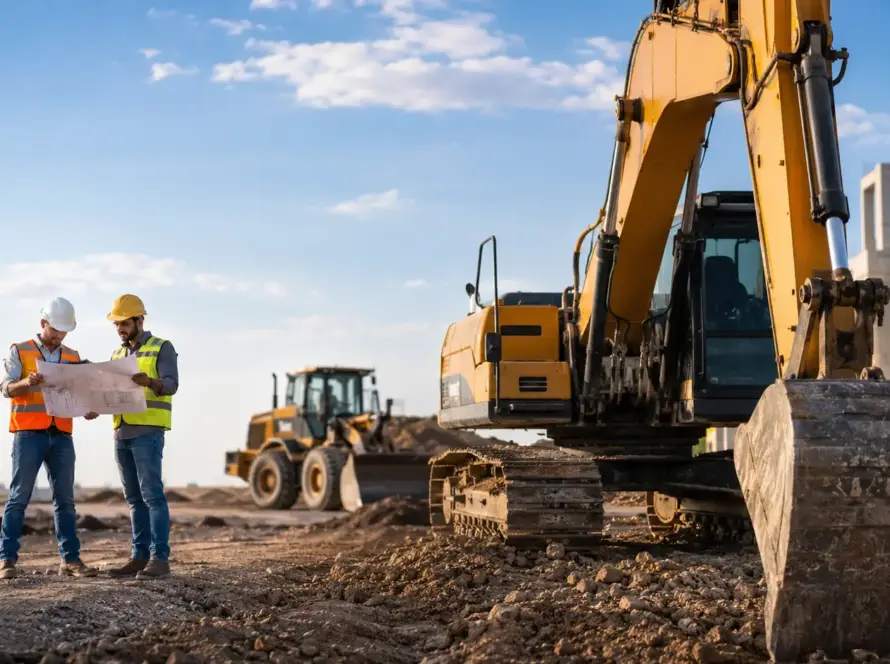
Organizing the file early does not guarantee approval, terms, funding, delivery, or a tax result. It gives the business and financing team a cleaner basis for answering questions and coordinating the seller, asset, documents, and timeline.
Use this checklist after the business has completed its and decided whether to .
What a year-end equipment financing checklist should include
The strongest file has six connected parts: business identity, ownership, financial capacity, equipment and seller details, operating purpose, and deployment timing. Every document should describe the same transaction.
| File area | What to organize | What to verify |
|---|---|---|
| Business | Legal name, DBA, entity, address, tax ID, industry, time in business | Names and addresses match current records |
| Ownership | Owners, percentages, identification, contact details | Ownership totals and applicant information agree |
| Financial | Requested bank statements, tax returns, interim statements, debt schedule | Periods are current and complete |
| Equipment | Year, make, model, serial or VIN, hours or mileage, specifications | The exact unit matches quote, inspection, and insurance |
| Seller | Legal seller, contact, invoice, purchase price, deposit, title or lien details | Seller can document and complete the transaction |
| Deployment | Delivery, upfit, installation, training, permits, acceptance, in-service date | The full schedule is realistic |
Write a clear business purpose
Describe the purchase in one or two sentences. State whether it replaces unreliable equipment, adds capacity supported by demand, reduces rental or subcontract expense, improves production, enables a required service, or supports a specific contract or operating window.
A useful explanation names the asset, the work, and the expected operating effect. For example: “The company is replacing a rear-loader that had repeated hydraulic downtime in 2026. The new unit will serve an existing municipal route and restore backup coverage before the January schedule begins.”
Avoid broad claims such as “for growth” without showing what changes in the operation. The explanation should be consistent with the equipment selected, the company's industry, recent performance, and the 2027 plan.
Confirm the legal business and ownership details
Use the exact legal business name and any DBA consistently. Verify formation state, entity type, operating address, mailing address, tax identification, website, and primary contact information. List ownership percentages accurately and make sure they total 100% when the application requests that information.
Resolve recent changes before submission. A new address, ownership transfer, entity conversion, or recently formed operating company may require supporting records or an explanation. Do not try to hide an inconsistency; document it clearly.
Prepare current financial information
The exact documents depend on transaction size, applicant profile, asset, and financing program. A request may involve recent business bank statements, business and personal tax returns, interim profit-and-loss and balance-sheet statements, accounts receivable or payable detail, an existing debt schedule, or proof of contracts and deposits.
Before sending anything, check that:
- all pages are present and readable;
- the period is current and clearly labeled;
- business names and account holders match the application;
- large or unusual deposits, withdrawals, overdrafts, or one-time events can be explained accurately;
- existing debt payments are reflected in the cash forecast; and
- the down payment and closing cash do not consume funds already needed for operations.
The Federal Reserve's July 2026 survey found that bank C&I lending standards were basically unchanged in the second quarter and that demand from small firms was also basically unchanged. That systemwide result is context only. Individual outcomes still depend on the applicant and transaction.
Make the seller quote complete and stable
The quote or invoice should identify the seller, buyer, exact equipment, purchase price, taxes, fees, delivery, attachments, upfit, installation, trade-in, deposit, and balance due. For vehicles, include the VIN when available. For machinery, include serial number, year, make, model, hours, specifications, and location as applicable.
Ask whether the unit is subject to prior sale, how long the quote is valid, and what is required to hold it. Confirm who owns the equipment now and who will receive funds. Private-party, auction, imported, older, specialized, or heavily modified assets may require additional documentation or inspection.
When the price or equipment changes, update the whole file. Do not leave an old amount on the application, a different unit on the insurance quote, and a revised invoice with the seller.
Inspect condition and remaining useful life
For used equipment, gather service history, inspection results, photos, hours or mileage, rebuild information, tire or undercarriage condition, fault codes, emissions-system status where relevant, title, and known liens. Identify immediate repairs or wear items and include them in the deployed-cost budget.
The financing term should not casually extend beyond the period when the asset is expected to remain reliable and productive. A lower-priced unit with limited remaining life can create a payment and repair burden at the same time.
Price insurance before closing
Obtain a quote for the exact unit and intended use. Confirm effective date, insured value, deductibles, required coverages, loss-payee or additional-insured language, and any commercial, cargo, environmental, medical, or specialized coverage relevant to the operation.
Insurance can affect both cash flow and timing. A binder that lists the wrong serial number, VIN, value, or legal entity can delay closing. A premium materially above the planning estimate can also change the economics of the purchase.
Build one complete sources and uses schedule
Write down every source of funds and every use of cash. Include purchase price, tax, delivery, installation, training, permits, software, initial repairs, insurance, deposit, trade credit, down payment, financed amount, and any working capital needed before the first customer payment.
Then reconcile that schedule with the seller invoice and financing request. If an expense is not eligible under a particular program, identify how the business will pay it without weakening payroll, materials, fuel, inventory, or maintenance reserves.
Review the structure in a consistent format
For any financing proposal, record the amount financed, cash due, term, payment amount and frequency, payment start, fees, total scheduled obligation, collateral, guarantees, insurance requirements, prepayment or early-termination method, and end-of-term responsibilities.
An and an can have different ownership, accounting, tax, and end-of-term outcomes. Do not describe one as universally better. Match the structure to the asset's useful life, expected ownership period, business cash cycle, and available programs. Use the for an initial estimate only; actual terms vary.
Coordinate the three year-end clocks
The operating clock
When must the equipment be productive? Work backward through delivery, upfit, installation, permits, training, inspection, testing, and acceptance. Leave room for delay.
The financing clock
When do the quote, documents, approval conditions, insurance, signatures, seller verification, and funding need to be completed? Timing varies by transaction, and missing information can extend the process.
The tax clock
If a 2026 deduction matters, confirm eligibility and the placed-in-service facts with a tax professional. IRS Publication 946 says equipment is placed in service when it is ready and available for its specific use. Payment, signing, or delivery alone may not satisfy that test when installation or modification remains incomplete.
Understand the 2026 tax context without treating it as a promise
IRS Publication 946 lists a maximum Section 179 expense deduction of $2,560,000 for tax years beginning in 2026. The limit is reduced when the cost of Section 179 property placed in service during the year exceeds $4,090,000. Section 179 is also subject to eligibility, business-use, taxable-income, and other limitations.
The IRS also states that current law provides permanent 100% additional first-year depreciation for eligible property acquired after January 19, 2025, subject to applicable rules and elections. Qualified property can include new and certain used property.
These rules do not mean every asset qualifies or that Section 179 and bonus depreciation produce the same result for every taxpayer. State treatment can differ from federal treatment. The 2027 inflation-adjusted Section 179 amounts should be verified when the IRS publishes the applicable annual guidance. Use the only as an estimate, then review the actual transaction with a qualified tax professional.
Run a final consistency check
Before submission, place the application, quote, financial information, equipment records, insurance quote, and delivery plan side by side. Confirm the following:
- legal name, address, ownership, and contact information agree;
- purchase price, deposit, down payment, trade-in, and requested amount reconcile;
- year, make, model, VIN or serial number, hours or mileage, and location agree;
- seller identity and payment instructions are verified through an appropriate process;
- business purpose and expected use match the asset;
- insurance and delivery dates match the closing plan;
- cash remaining after closing supports the first operating cycle; and
- no approval, funding, delivery, rate, or tax result is being treated as guaranteed.
Frequently asked questions
What documents are always required?
There is no universal list. Requirements vary by applicant, transaction size, equipment, seller, and financing program. Begin with complete business and ownership information, current financial records, and a detailed equipment quote, then respond to the specific request from the financing team.
Can incomplete documents delay an equipment purchase?
Yes. Missing pages, conflicting names, an outdated quote, incomplete equipment identifiers, seller questions, title issues, or an incorrect insurance binder can create avoidable delays.
Does approval mean the equipment purchase is complete?
No. Approval may include conditions, and funding, seller payment, delivery, installation, acceptance, and operation are separate steps. Confirm each responsibility and date.
Can financed equipment qualify for Section 179 or bonus depreciation?
Financing does not by itself determine tax eligibility. Asset type, ownership and lease treatment, business use, taxable income, acquisition date, placed-in-service date, and other rules matter. A tax professional should review the exact facts.
Turn the file into an executable 2027 plan
A clean financing file should lead to a clear deployment plan. The business, seller, financing team, insurer, installer, and operator need to work from the same asset, amount, and schedule. When the file is consistent, questions can be answered faster and the business can make decisions with better information.
Vitality Finance offers nationwide programs for commercial equipment, vehicles, and working capital, with transaction options varying by applicant and asset. To begin, or call (361) 208-2501. Vitality Finance makes no guarantee of approval or funding.
Sources
- .
- .
- , January 14, 2026.
