


There is no universal answer to how much down payment a garbage truck requires. Some strong borrowers may qualify for structures with little upfront cash, while other transactions may require a meaningful contribution. The percentage can change based on credit, time in business, bank activity, truck age, purchase price, seller, collateral value, and lender policy.
You May Also Like
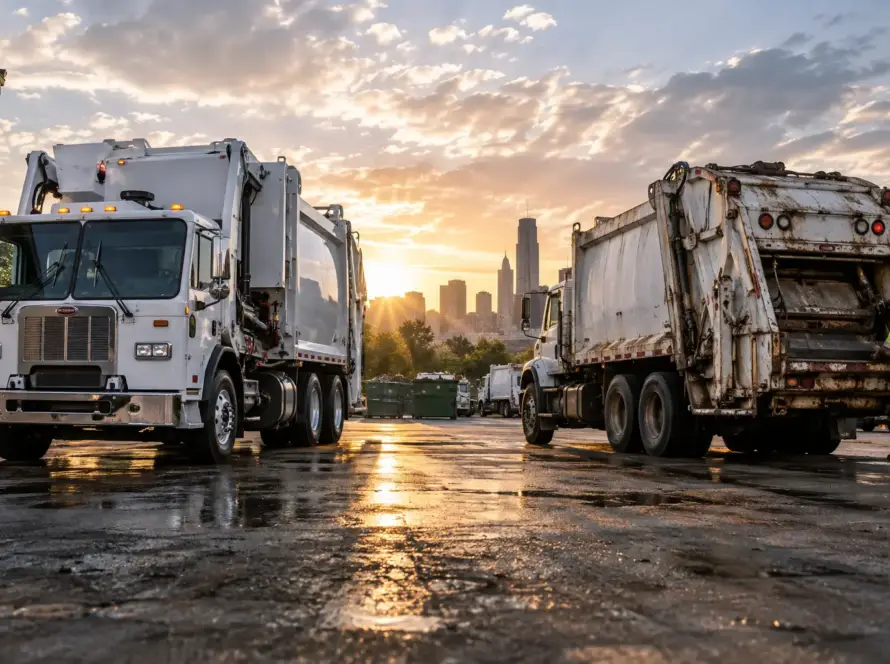
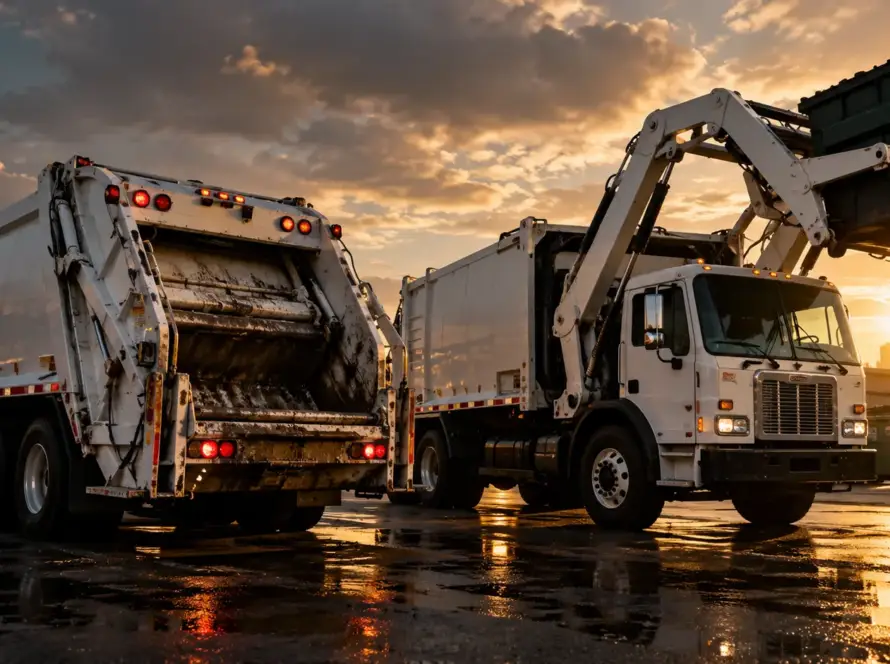
That means a waste business should not build its purchase plan around a fixed rule such as "10% is always enough" or "20% is always required." Those statements may be true for a particular lender or borrower, but they are not universal commercial equipment-financing rules.
A better approach is to ask two questions at the same time: How much cash does the lender require, and how much cash can the business safely contribute without weakening operations?
If you need the full financing process, start with Garbage Truck Financing. If you are still estimating the equipment budget, read How Much Does a Garbage Truck Cost? before deciding what cash contribution is realistic.
Why Lenders Ask for a Down Payment
A down payment reduces the amount financed and gives the borrower equity in the transaction. It can also reduce the lender's exposure relative to the equipment value.
For example, a lender may be more cautious when financing an older truck, a private-party purchase, a startup, or a borrower with challenged credit. A stronger cash contribution can help address part of that risk.
But a down payment is only one part of underwriting. A large contribution does not fix weak cash flow, an unsuitable truck, unclear ownership, or a borrower who cannot demonstrate repayment ability.
Factors That Can Increase the Required Down Payment
Several transaction characteristics may lead to a larger cash requirement.
Challenged credit is one. If recent payment history is weak, the lender may want more borrower equity.
Startup status is another. A new company has limited operating history, so the lender may rely more heavily on personal credit, industry experience, cash contribution, and the equipment.
Older equipment can also increase the requirement. The lender has to consider remaining useful life and resale value. A high-mileage refuse truck with an older body may support a lower advance than a newer unit.
An unusual purchase price can matter too. If the truck price is high relative to market value, the lender may finance only part of the cost. The buyer would need to cover the difference.
Private sellers or complicated title situations can add risk, as can very specialized configurations with limited resale demand.
Factors That Can Reduce the Cash Needed Upfront
Stronger borrower and equipment characteristics may support a lower cash requirement.
These can include strong personal and business credit, several years in operation, stable bank deposits, healthy cash flow, low existing debt, a reputable dealer, a newer truck, a purchase price supported by market value, and a clear revenue purpose.
Some financing programs may also allow eligible taxes, delivery, or installed equipment to be included. That can reduce the cash needed for closing even when the financed amount increases.
The important phrase is "may." Final requirements depend on the actual program and transaction.
Do Not Use Every Available Dollar for the Down Payment
The most dangerous down payment is one that gets the truck approved but leaves the business unable to operate.
Waste collection requires working capital from the first day. Fuel is purchased before customer payments arrive. Payroll is due on a schedule. Disposal fees can be immediate. Insurance may require deposits. Containers, repairs, registration, permits, yard expenses, software, uniforms, marketing, and route supplies all compete for cash.
A used truck may need service immediately after purchase even if it passed inspection. A new truck may still require upfits, branding, registration, or route setup.
Protect a minimum operating reserve before deciding how much cash can go into the truck.
Build a Post-Closing Liquidity Target
Instead of starting with the down payment percentage, start with the minimum cash balance the business wants to keep after closing.
Estimate at least the following:
- One or more payroll cycles
- Fuel and disposal expenses
- Insurance deductibles and premiums
- Immediate preventive maintenance
- Tire reserve
- Hydraulic or body repair reserve
- Registration and permit costs
- Yard and software expenses
- Customer-payment delay
- Emergency replacement or rental cost
The correct reserve depends on the business. A company with five trucks, an in-house shop, and a line of credit has more flexibility than a startup with one truck and no backup unit.
Once the reserve target is protected, the remaining cash can be considered for the down payment.
Down Payment vs Monthly Payment
A larger down payment lowers the amount financed. All else equal, that can lower the payment and total financing cost.
However, monthly payment is only one part of the business equation. If an extra $30,000 down reduces the payment but removes the company's entire repair reserve, the structure may be weaker even though the payment looks better.
Compare at least three scenarios: minimum cash contribution, moderate contribution, and higher contribution. For each one, calculate the amount financed, expected payment, cash remaining after closing, and reserve coverage.
Do not choose the scenario until you can see all four numbers together.
How Truck Price Changes the Decision
A current 2026 rear loader may cost in the mid-$200,000 range based on listing examples reviewed for this content. New front loaders can exceed $400,000. A percentage down payment therefore represents very different dollar amounts.
Ten percent of a $250,000 truck is $25,000. Ten percent of a $425,000 truck is $42,500. The dollar difference may be more important to the business than the percentage.
If the larger truck is required for a profitable commercial route, the higher contribution may be justified. If the purchase is speculative, the business should be cautious about committing that much cash before route revenue exists.
Down Payment for New vs Used Trucks
New equipment may support stronger collateral value and a longer expected service life, but the purchase price is higher. Used equipment reduces the price but can create more condition uncertainty.
A lender may ask for more equity on an older truck, especially if the value is difficult to verify or the remaining useful life is limited. A newer used truck with strong records and a good seller may receive more favorable treatment than a cheaper but poorly documented unit.
Use New vs Used Garbage Truck Financing to compare these tradeoffs before choosing the asset.
Down Payment With Bad Credit
A larger cash contribution is one of the common ways a challenged-credit borrower can strengthen a transaction. It shows commitment and reduces lender exposure.
But it does not guarantee approval, and it does not make an unaffordable truck affordable. If the payment remains too high after the down payment, the better solution may be a less expensive truck, stronger recent financial performance, or more time to improve the credit profile.
Read Garbage Truck Financing With Bad Credit for additional strategies.
Down Payment for Startups
Startups often face higher scrutiny because there is little business history to review. The lender may pay more attention to personal credit, industry experience, liquidity, contracts, and cash contribution.
A startup should be particularly careful not to spend all startup capital on the truck. The company may need containers, insurance, permits, marketing, payroll, disposal deposits, software, and fuel before the first customer payment is collected.
For a new waste company, the down payment should be part of the full startup budget, not a separate decision. See Financing a Garbage Truck for a New Waste Business for a launch sequence.
Can Trade-In Equity Reduce Cash Needed?
Potentially. If the business owns a truck with positive equity and the seller or financing structure accepts a trade-in, that equity may help reduce the cash required.
Confirm the trade value and any existing payoff. A truck that appears to have equity may have less once the loan balance, repairs, or dealer adjustments are considered.
Trade-ins also complicate the paperwork. Make sure the purchase agreement clearly shows trade allowance, payoff, taxes, and final amount financed.
What If the Lender Offers 100% Financing?
A high advance can preserve cash, which may be valuable for a growing waste company. It can also increase the financed balance and payment.
Do not automatically choose the maximum advance. Compare the cost of financing additional dollars with the value of preserving liquidity. If cash is needed for route growth, containers, or working capital, financing more of the truck may make sense. If the company has excess cash and wants a lower payment, contributing more may be reasonable.
The answer depends on the business's cost of capital and cash needs.
A Simple Down Payment Decision Framework
Use this five-step process:
- Confirm the truck's total delivered cost, including tax and upfits.
- Ask what cash contribution the financing program requires.
- Set a minimum post-closing reserve.
- Compare two or three down payment scenarios.
- Choose the structure that keeps both the payment and liquidity within safe limits.
Do not reverse the order. If you start by offering the largest possible down payment, you may discover too late that the business lacks working capital.
Frequently Asked Questions
What is the average down payment for a garbage truck?
There is no reliable universal average because requirements vary by borrower, lender, truck, and transaction. Some deals may require little upfront cash, while higher-risk transactions may require a substantial contribution.
Can I finance a garbage truck with no down payment?
Some well-qualified transactions may be eligible for high advance levels or 100% financing, but this is not guaranteed. Credit, cash flow, time in business, equipment, and lender policy all matter.
Does bad credit require more money down?
It can. A larger down payment may help offset credit risk, but it does not guarantee approval. The lender will still review repayment ability and the equipment.
Should I put 20% down if I have the cash?
Not automatically. Compare the lower payment with the operating liquidity you would give up. Waste businesses need reserves for repairs, fuel, payroll, disposal, insurance, and customer-payment delays.
Can taxes and delivery be included in financing?
Sometimes, depending on the lender and transaction. Confirm exactly what can be included before calculating your required cash.
Is a trade-in the same as a cash down payment?
Trade equity can sometimes reduce the amount financed or cash needed, but the treatment varies. The trade value and any existing payoff must be documented clearly.
