


Table of Contents
Why This Decision Matters More Than Ever in 2026
You May Also Like
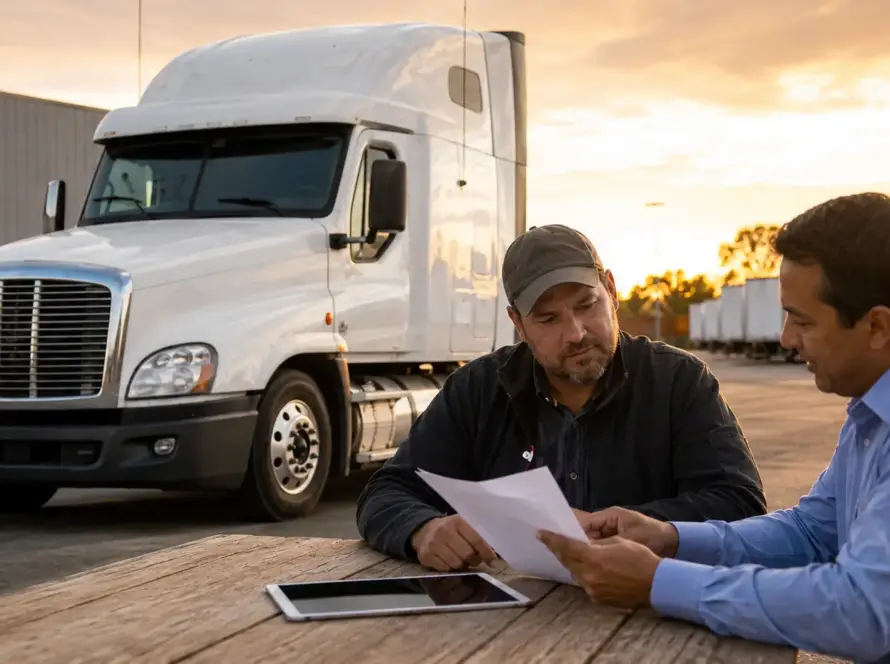
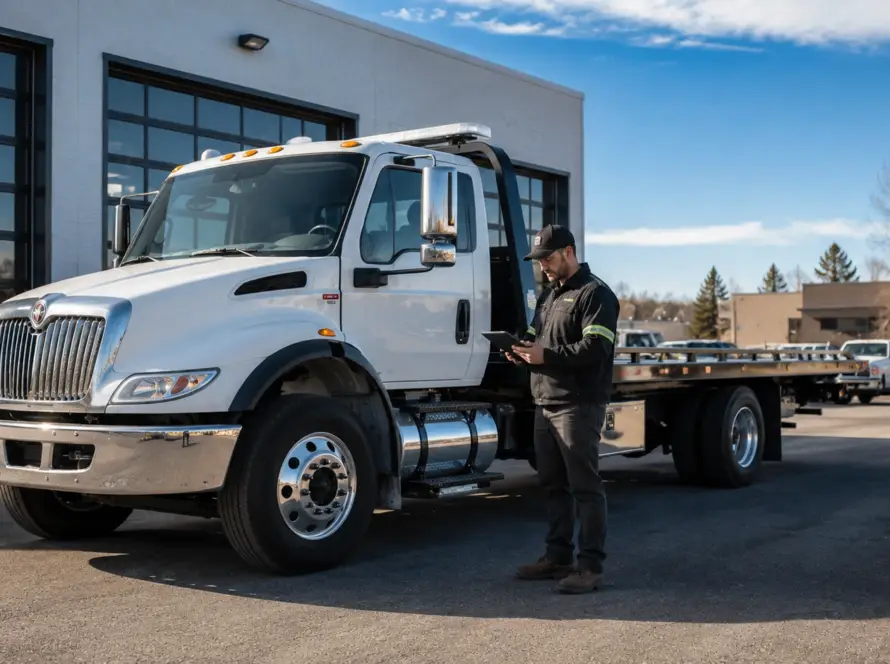
If your business runs on trucks, you already know the pressure. Every missed load, every aging rig limping through another month, every contract you had to pass on because you lacked the equipment, it adds up. Commercial truck financing exists to solve exactly that problem.
The challenge is that trucks are not cheap. A business-ready commercial truck is not just a vehicle. It is a revenue-generating asset. The cost often wraps in the chassis, body, equipment, insurance, registration, compliance needs, and ongoing maintenance before you even hit the road.
Paying cash sounds safe on paper. In practice, draining your working capital leaves you exposed. Fuel costs, payroll, repairs, insurance, and customers who pay late can all hit at the same time.
That is why most operators finance. Commercial truck financing lets you get the truck you need today and spread the cost over time, keeping your cash available for the things that keep your business moving.
In 2026, the financing decision requires more discipline than it did a few years ago. Interest rates continue to be a meaningful cost factor, equipment demand is active, and operating costs in trucking remain high. The goal is not just getting approved. It is making a financing decision your business can carry comfortably while the truck earns its keep.
What Is Commercial Truck Financing?
Commercial truck financing is a structured funding arrangement that helps a business buy or lease a truck for business use. Instead of paying the full purchase price upfront, the borrower makes scheduled payments over a defined period.
In most cases, the truck itself serves as collateral. That means if the loan goes unpaid, the lender may have the right to repossess the vehicle. This collateral structure is one reason commercial truck financing can be more accessible than some unsecured business loans, but it does not mean approval is automatic.
Lenders still want to know your credit history, how long your business has been operating, what your revenue looks like, and whether you can realistically afford the payment. The truck matters, but so does the business behind it.
Commercial truck financing applies to a wide range of vehicles: semi trucks, box trucks, dump trucks, tow trucks, flatbeds, refrigerated trucks, service trucks, and delivery vehicles. Some operators finance one truck at a time. Others use it to build or replace an entire fleet.

How the Process Actually Works
It usually starts with a business need. You identify the truck, estimate how it will support your revenue, and then apply through a lender, broker, dealer finance program, bank, credit union, or equipment finance company.
The lender reviews you and the truck. If approved, they provide funding to purchase the vehicle. You repay through monthly payments that may include a fixed or variable rate, a defined term, a down payment, and specific conditions around insurance, title, and use.
A clean process comes down to five elements: you, the truck, the seller, the lender, and the repayment plan. Each one matters. A strong borrower with a poorly documented truck can still face delays. A great truck with weak financials can still get declined.
Trucks That Can Be Financed
Most business vehicles qualify for commercial truck financing. The most commonly financed types include:
- Semi trucks and tractor-trailers
- Box trucks and straight trucks
- Dump trucks
- Tow trucks and wreckers
- Refrigerated and reefer trucks
- Flatbed trucks
- Service and utility trucks
- Garbage and roll-off trucks
New vs. Used: What Actually Makes Sense
A new truck offers warranty coverage, better fuel efficiency, updated safety features, and a longer useful life. The tradeoff is a higher purchase price and faster depreciation in the early years.
A used truck can lower your monthly payment and preserve more working capital. The risk is condition. Maintenance costs can rise quickly if the truck has high mileage, heavy prior use, or an incomplete service history.
The mistake owners make is buying used simply because the payment looks good. If repairs pull that truck off the road, you are losing revenue while still making payments. Before financing a used truck, review mileage, engine hours, maintenance records, title status, accident history, and expected near-term repair needs.
Main Types of Commercial Truck Financing
Equipment Loans
An equipment loan is the most common path. You borrow money to buy the truck, repay over time, and own the asset outright once the loan is paid off. This works well for owners who want long-term control and predictable equity. The downside is that ownership comes with full maintenance responsibility.
Equipment Leasing
Leasing gives your business access to a truck without the same ownership structure. Depending on the lease type, you may return the truck at the end, renew, or purchase it. Leasing can lower upfront costs and works well for businesses that want newer vehicles on a regular upgrade cycle. However, leases can include mileage caps, use restrictions, and end-of-term fees that change the real cost significantly.
SBA Loans
The SBA 7(a) program can support truck purchases as part of a broader business investment, often with competitive terms for qualified businesses. The tradeoff is time. SBA financing typically involves more paperwork and a longer process than a direct equipment lender.
SBA 7(a) Loans: https://www.sba.gov/funding-programs/loans/7a-loans
Dealer Financing
Dealer financing lets you handle the truck purchase and the financing in one conversation. Convenient, yes. But convenience can hide cost. Always compare the dealer offer against at least one outside lender before signing.
Working Capital and Lines of Credit
These are generally not the right tools for buying a long-term asset like a truck. Where they can help is in covering the first few months of fuel, insurance, driver costs, and maintenance after you bring a new truck on.
What Lenders Actually Look At
Your Credit Profile
Both business and personal credit are often reviewed, especially for small businesses and owner-operators. Strong credit improves approval odds and can unlock better terms. Weak credit does not mean automatic denial, but it typically comes with higher rates, a larger down payment, or a shorter term. If your credit has bumps, be ready to explain them directly.
Time in Business
More operating history means more data for the lender to evaluate. Startups can still get approved, but they often need stronger personal credit, industry experience, and a clear plan showing how the truck generates revenue.
Revenue and Cash Flow
Revenue shows activity. Cash flow shows ability to repay. A business can show strong sales and still have trouble if expenses are high or customers pay slowly. Before applying, calculate your expected monthly payment and compare it against realistic, average-month net income. Not your best month. Your average month.
Down Payment
A down payment reduces lender risk and shows commitment. Stronger borrowers may qualify with less down. That said, do not drain your cash reserves making the biggest possible down payment. In trucking, unexpected expenses arrive fast.
The Truck Itself
Age, mileage, condition, title status, resale value, and fit for your business all matter. A well-maintained, documented truck with strong resale value is easier to finance than an aging specialty unit with unclear history.
Industry Experience
Trucking is operationally demanding. Lenders feel better when the borrower clearly understands the business they are stepping into, including fuel costs, compliance, dispatching, insurance, and customer management.
Understanding What Financing Actually Costs
Interest Rates and APR
In 2026, rates continue to be shaped by the broader interest rate environment. Do not assume last year’s numbers still apply. Ask lenders for the total repayment amount. That number often tells you more than the rate does.
Loan Term
A longer term lowers the monthly payment but increases total interest paid. A shorter term costs less overall but puts more pressure on monthly cash flow. The right term matches the truck’s useful life. Avoid financing a truck longer than it can reliably earn.
Fees
Origination fees, documentation fees, title fees, filing fees, broker fees, and closing costs all add to the real cost. Ask for a written breakdown before signing anything.
Total Cost of Ownership
A truck payment is only one line item. Factor in insurance, fuel, maintenance, tires, registration, permits, tolls, driver wages, compliance costs, and downtime. A truck that has the right payment but terrible total economics is still a bad deal.
2026 Tax Considerations
For 2026, IRS guidance shows the maximum Section 179 expense deduction at $2,560,000 for qualifying property placed in service during the tax year. The deduction begins to phase out when qualifying purchases exceed $4,090,000.
Talk to a CPA before closing, not after. Tax savings can improve the economics of a truck purchase, but they should not be the reason you buy a truck your business does not actually need.
IRS Publication 946: https://www.irs.gov/publications/p946
Step by Step: Getting Financed
- Define the business purpose. Know why you need the truck and how it supports your revenue before you start shopping.
- Estimate revenue and costs. Build realistic numbers. Stress test the payment against an average month.
- Check credit and gather documents. Collect bank statements, tax returns, financial statements, licenses, and DOT or MC information if applicable.
- Choose the right truck. The vehicle should match the work, not just the financing you can access.
- Compare multiple offers. Review at least two or three options side by side. Compare total repayment, not just monthly payment.
- Read the agreement. Every line. Default terms, insurance requirements, prepayment penalties, and collateral language all matter.
- Keep cash after closing. The first months with a new truck can be expensive. You want reserves available.
How to Improve Your Odds
Organize your financial records before you apply. Lenders want to see clean, clear documentation. Inconsistencies or gaps slow things down.
Choose a truck that fits your financial profile. A new business with limited operating history should not be chasing the most expensive unit on the lot.
If your credit is weak, consider a larger down payment to reduce lender risk. Be honest about your situation. Lenders do not expect perfection. They expect the file to make sense.
Mistakes That Are Worth Knowing in Advance
Shopping only by monthly payment. A low payment can hide a long term, heavy fees, or a much higher total cost.
Ignoring maintenance. Every truck is also a mechanical liability. Repairs are not optional.
Buying too much truck too soon. Leverage is useful when controlled. It becomes dangerous when cash flow cannot absorb a slow month.
Skipping insurance quotes before financing. Commercial truck insurance can be a significant monthly cost, especially for newer operators.
Waiting until you are desperate. Financing decisions made under time pressure are almost always worse than those made from a position of choice.
Commercial Truck Financing for Startups
Startups can qualify, but the process is more demanding. Expect lenders to ask for strong personal credit, industry experience, a business plan, proof of contracts or customers, and often a larger down payment.
Be realistic. A truck does not create a business on its own. You need customers, pricing discipline, compliance, maintenance planning, and cash to cover the early months.
Financing With Challenged Credit
Bad credit makes financing harder, but it does not make it impossible. Some lenders specialize in challenged credit, though the terms often come with higher rates, larger down payments, or stricter collateral requirements.
Be honest with yourself about affordability. An approval that comes with a payment your business cannot sustain is not a win. Sometimes the smartest move is to wait a few months, work on your credit, build reserves, and come back from a stronger position.
Financing vs. Leasing
Financing typically suits businesses that want ownership, long-term control, and equity. Leasing may suit businesses that want predictable replacement cycles, lower upfront costs, or flexibility on future vehicles.
Neither is automatically better. The right answer depends on your use case, cash flow, tax situation, and long-term plan.
A Practical Example
A regional delivery company identifies a box truck that would let them serve a new customer contract. The owner maps out monthly revenue from the contract, then subtracts fuel, insurance, maintenance, driver wages, and the estimated truck payment.
The numbers work at expected volume but get tight if deliveries drop by 20%. Instead of buying the highest-priced option, the owner selects a reliable used truck with strong maintenance records and a lower payment, keeping more cash in reserve. That decision is not flashy. It is financially disciplined.
Frequently Asked Questions
What credit score do I need?
There is no single universal requirement. Stronger credit typically improves approval odds and terms. Some lenders work with lower scores, but expect stricter conditions.
Can I finance a used truck?
Yes. Many lenders finance used commercial trucks. Age, mileage, condition, title, and resale value all factor in. A clean inspection history helps.
Is it available for startups?
Yes, but approval is usually harder. Lenders may require industry experience, strong personal credit, a larger down payment, and proof of revenue potential.
Can Section 179 apply?
Possibly. Eligibility depends on business use, vehicle type, placed-in-service date, taxable income, and current IRS limits. Confirm with a CPA before assuming a deduction.
What documents do lenders ask for?
Typically bank statements, tax returns, profit and loss statements, balance sheets, business licenses, a truck invoice or purchase agreement, insurance quote, and driver’s license. Trucking businesses may also need DOT or MC documentation.
How fast can I get approved?
It depends on the lender and how organized your file is. Equipment finance companies can often move faster than banks or SBA programs.
Final Thought: Finance the Truck, Protect the Business
Commercial truck financing can be one of the most effective tools for growing a fleet, replacing aging equipment, or taking on new contracts without draining cash. It works when the truck fits the business model and the payment fits real cash flow.
Before signing, review the full cost. Compare offers. Inspect the truck thoroughly. Understand the tax angles. Keep reserves available. A good financing decision does more than get you approved. It helps your business operate with confidence, month after month, while the truck keeps earning.
