


Financing a garbage truck for a new waste business is possible in some situations, but the truck should be one part of a complete launch plan. A startup has to fund more than equipment. It may need insurance, containers, licenses, disposal access, payroll, fuel, software, marketing, repairs, yard space, and working capital before customer payments become reliable.
You May Also Like
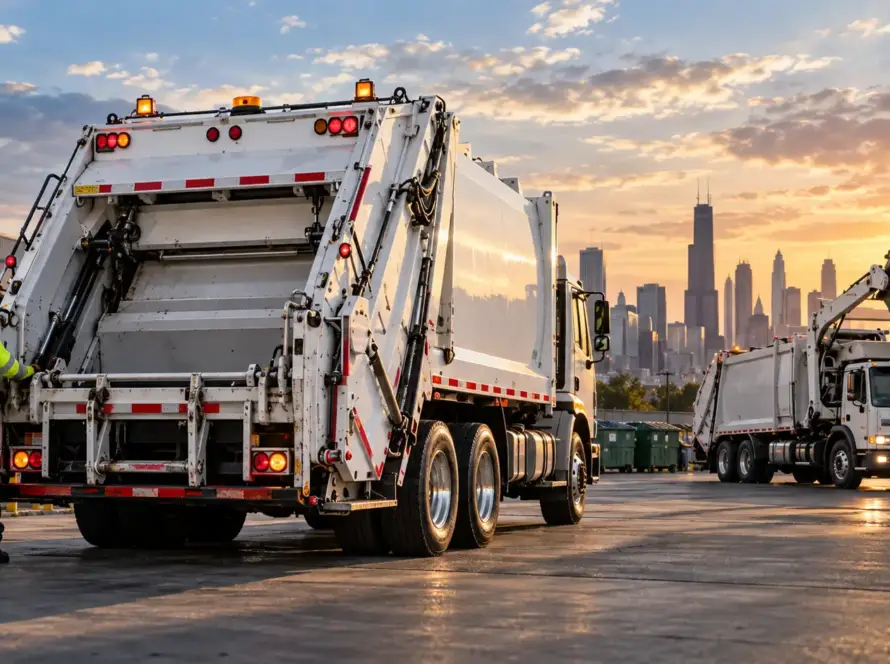
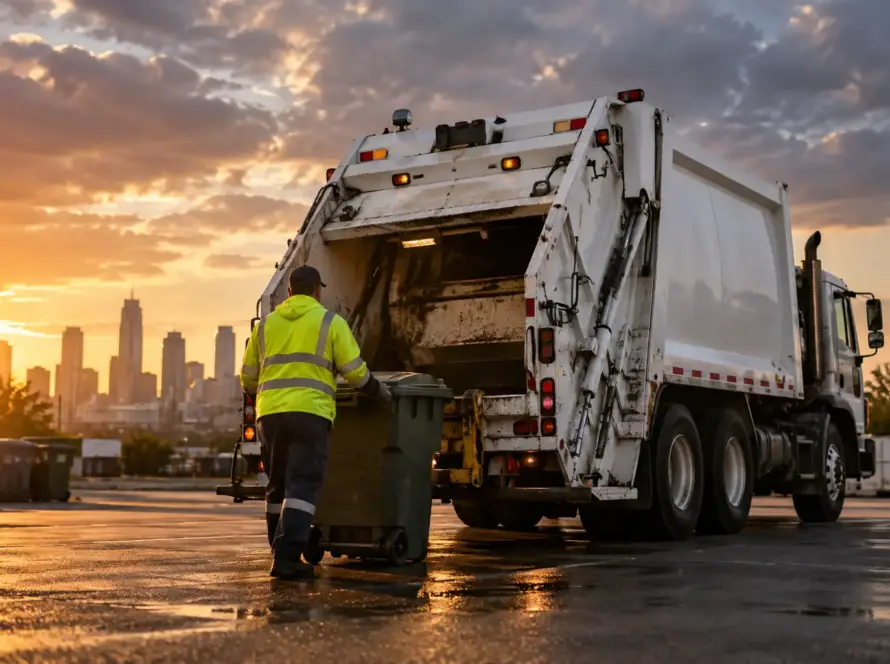
That is why the sequence matters. Buying the truck first and hoping the route appears later can create a large monthly obligation with no proven revenue. A stronger plan connects the customer model, equipment type, cash reserve, and financing request before the purchase agreement is signed.
Use the main Garbage Truck Financing guide for the overall financing framework. This article focuses specifically on startups and newly formed waste companies.
Step 1: Decide What Type of Waste Business You Are Building
"Waste business" can describe very different operations.
A residential subscription route may collect household trash weekly. A commercial front-load business may place dumpsters at restaurants, apartments, stores, and offices. A roll-off company may serve construction sites with large containers. A junk-removal company may use different equipment entirely. A recycling operation may need collection trucks plus balers, compactors, or material-handling assets.
The business model determines the truck. Do not select the truck before you define the service.
For residential or mixed collection, a rear loader may be appropriate. For commercial dumpsters, a front loader is the relevant equipment. For interchangeable container service, a hooklift or roll-off truck may fit better. Vitality Finance's Waste & Recycling Equipment Financing page provides a broader view of eligible asset categories, and the existing Hooklift Truck Financing guide is useful for container-based operations.
Step 2: Prove Demand Before You Create the Payment
A startup cannot show years of company revenue, so evidence of demand becomes important.
Depending on the business model, that evidence might include signed commercial service agreements, municipal subcontracting, letters of intent, acquired customer routes, recurring residential subscriptions, contractor relationships, property-management accounts, or a documented pipeline.
Be careful with informal interest. Ten people saying they "would probably use the service" is not the same as ten paying customers.
Build a conservative launch case using customers that are signed, highly likely, or supported by realistic local sales assumptions. Do not assume full route density in month one.
Step 3: Build Unit Economics for One Truck
Before financing, calculate what one truck must produce.
Start with monthly collected revenue. Then subtract labor, payroll burden, fuel, disposal fees, insurance, maintenance, tires, licensing, software, yard cost, container expenses, marketing, and other direct operating costs.
The remaining amount is what supports debt payment, owner compensation, taxes, reinvestment, and profit.
For residential service, model the number of households, price per stop, service frequency, route miles, disposal weight, and collection rate.
For commercial service, model the number of dumpsters, container size, pulls per week, monthly service fee, route density, disposal weight, and container investment.
Run a downside case with fewer customers and slower collections. If the financing works only at full route density, the startup may be taking too much risk.
Step 4: Choose the Truck Type From the Revenue Model
A truck is a tool, not the strategy.
A rear loader can be a practical startup asset for residential and mixed collection because used and new options may be available at lower prices than new front loaders. Current 2026 listing examples reviewed for this content included new rear loaders in the mid-$200,000 range.
A front loader can support recurring commercial dumpster routes, but current new examples can exceed $400,000. That larger capital requirement should be supported by contracted commercial revenue and a container plan.
If the startup is still deciding between these two systems, read Rear Loader vs Front Loader Financing.
Step 5: Decide New vs Used Based on Backup Capacity
Startups have a difficult tradeoff.
A new truck may provide warranty protection and lower early repair risk, but it creates a larger financing request. A used truck may preserve cash and lower the payment, but a major breakdown can stop the only route the company has.
Established companies often have spare trucks, mechanics, vendor relationships, or cash reserves. Startups may have none of those.
If buying used, pay for a qualified inspection. Review engine and PTO hours, emissions history, transmission, frame, brakes, tires, hydraulics, packer or lift system, body floor, corrosion, controls, cameras, and service records.
Read New vs Used Garbage Truck Financing before selecting the unit.
Step 6: Budget for Containers and Customer Equipment
A commercial waste business may need significant capital beyond the truck.
Front-load dumpsters, roll-off boxes, carts, lids, casters, repairs, delivery, painting, decals, and storage all cost money. A front loader with no container fleet cannot produce commercial route revenue.
Decide whether the containers will be purchased, financed, leased, or acquired gradually. Include the timing in the cash-flow model.
The truck financing decision should not consume the funds needed to deploy the assets that actually sit at customer locations.
Step 7: Secure Disposal Access
The truck must have somewhere to unload.
Identify the landfill, transfer station, recycling facility, or other disposal destination. Understand operating hours, accepted material, account setup, pricing, tipping fees, payment terms, distance, and expected queue time.
Disposal distance affects route productivity. A truck that spends hours each day traveling to a distant facility collects fewer customers. Tipping fees also affect gross margin directly.
Do this work before setting customer prices.
Step 8: Price Insurance Before the Purchase
Commercial insurance can be a major startup cost. Pricing depends on vehicle value, location, driver history, limits, business experience, operations, and other underwriting factors.
A new front loader may have a high insured value. A startup may also face less favorable pricing than an established fleet.
Obtain an insurance indication using the actual or similar truck before signing a financing agreement. If the premium changes the economics materially, revise the plan.
Step 9: Protect Working Capital
A startup can fail with a full customer list if it runs out of cash before invoices are collected.
Set aside funds for payroll, fuel, disposal, insurance, repairs, container deployment, software, marketing, permits, and customer-payment delays.
Do not use all available cash for the down payment. A larger contribution may help the financing request, but liquidity is also a form of risk protection.
The supporting How Much Down Payment for a Garbage Truck? guide explains how to balance these needs.
Step 10: Prepare the Financing File
A new business should expect the lender to look closely at the owners and the plan because the company has limited operating history.
Prepare personal credit, identification, entity documents, ownership information, bank statements, equipment quote, seller details, down payment funds, insurance information, and evidence of industry experience.
Contracts, route acquisition documents, letters of intent, or other evidence of demand can strengthen the story.
If the owner has worked in waste collection, trucking, dispatch, fleet maintenance, municipal service, recycling, or hauling, document that background clearly.
See Garbage Truck Loan Requirements for a complete checklist.
Step 11: Understand Startup Credit Risk
A startup with strong personal credit and relevant experience may have more financing options than a startup with challenged credit and no industry background.
If personal credit is weak, the lender may require more cash, stronger collateral, a less expensive truck, or additional support. The financing cost may also be higher.
Do not solve a credit problem by accepting a payment the startup cannot support. It may be better to begin with a lower-cost unit, build operating history, or improve credit before making a larger purchase.
Step 12: Launch the Route Before Expanding the Fleet
One successful truck is better than three underutilized trucks.
Track stops per day, revenue per route hour, fuel, disposal, labor, maintenance, missed pickups, customer churn, days sales outstanding, and cash collected. Those numbers tell you when the first truck is approaching capacity.
Add the second unit because real demand requires it, not because financing is available.
A disciplined first year creates the operating history that can make future financing easier.
Startup Financing Options
Equipment loans are a common choice when the company wants to own the truck. The equipment generally supports the financing as collateral.
Equipment leases may provide a different cash-flow or end-of-term structure. Review the purchase option, residual, fees, early termination, and tax treatment carefully.
Some qualifying small businesses may consider bank or SBA-backed financing. The SBA states that its 7(a) program can be used to purchase machinery and equipment, but SBA financing has its own eligibility rules, lender process, and documentation requirements.
The fastest approval is not automatically the best startup financing. Compare total cost, cash required, payment frequency, flexibility, and operating reserve after closing.
Tax Planning for a Startup Truck Purchase
The IRS lists a 2026 Section 179 maximum deduction of $2,560,000, with phaseout beginning above $4,090,000 of qualifying property placed in service.
A startup should not assume it can use the full deduction. Section 179 has eligibility and taxable-income rules, and depreciation decisions depend on the business's specific tax situation.
A tax deduction does not create cash flow. Buy the truck because the operation needs it, then work with a tax professional to determine the appropriate treatment.
A 90-Day Pre-Launch Checklist
Before the truck begins service, confirm:
- Business entity and bank account are active
- Insurance is bound
- Driver requirements are satisfied
- Disposal account is established
- Truck registration and permits are complete
- Containers or carts are deployed
- Routes are loaded into scheduling software
- Customer billing is ready
- Fuel and disposal cash is available
- Repair and towing contacts are identified
- Preventive maintenance schedule is set
- Backup collection plan exists
- Working-capital reserve remains untouched
This operational checklist is as important as the financing approval.
Frequently Asked Questions
Can a brand-new company finance a garbage truck?
Some startups can qualify, but lender requirements are often stricter because there is limited business history. Personal credit, industry experience, cash contribution, equipment quality, and documented demand can matter.
How much money should I have before starting a waste business?
There is no universal amount. The budget should include the truck, down payment, containers, insurance, disposal, licensing, payroll, fuel, repairs, software, marketing, and enough working capital to operate before customer payments become consistent.
Is a rear loader better for a startup?
It can be for residential or mixed routes because acquisition cost may be lower, but the correct truck depends on the customer model. A commercial dumpster startup may require a front loader instead.
Should a startup buy new or used?
New reduces early maintenance uncertainty but costs more. Used reduces acquisition cost but increases condition and downtime risk. The startup should compare payment, repair reserve, backup capacity, and route reliability.
Do I need contracts before applying?
Not every lender requires contracts, but signed work, route acquisition documents, or strong evidence of demand can help support a startup application.
Can I finance containers too?
Potentially, depending on the financing program and equipment. Ask whether related containers or waste equipment can be included or financed separately.
What is the biggest startup mistake?
Buying equipment before the customer model, disposal plan, insurance, and working-capital needs are proven. Financing should support an operating plan, not replace one.
