


Semi Truck Financing in 2026: What Changed for Buyers
You May Also Like
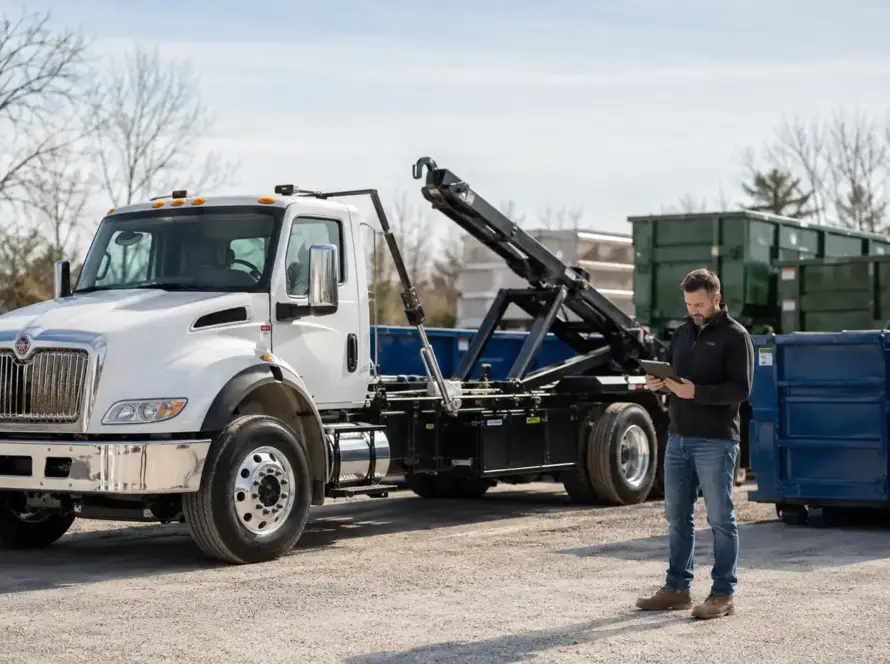
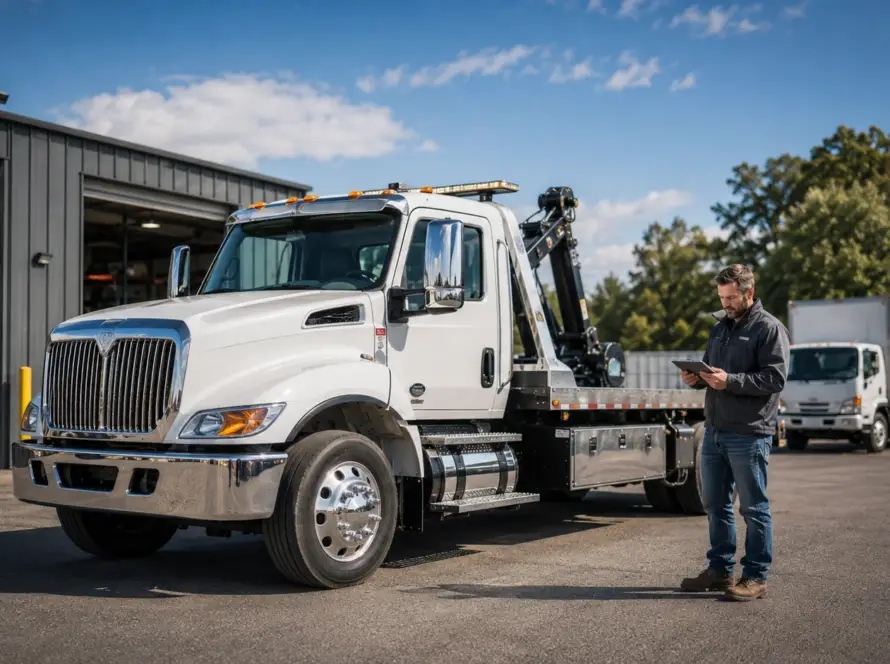
Let’s be honest — buying a semi truck is one of the biggest financial moves you’ll make as a business owner. This isn’t like picking up a company car. A semi truck is the engine of your revenue, the workhorse behind every load you haul, and a long-term commitment that can either fuel your growth or quietly drain your cash flow month after month.
In 2026, the financing landscape has shifted in ways that matter to real buyers. Equipment finance demand remains strong — Reuters reported that U.S. business equipment borrowing rose sharply in early 2026, based on Equipment Leasing and Finance Association data. That’s good news if you’re ready to buy, but it also means you’re competing for both good trucks and reasonable financing.
Interest rates are still something you need to factor in. The Federal Reserve’s H.15 data shows the bank prime loan rate sitting at 6.75% as of late May 2026. That doesn’t mean you’ll get exactly that rate — your personal credit, business history, and the truck you choose all play into what a lender actually offers you. But it’s a useful signal: borrowing money isn’t free right now, and a deal that looks fine on paper can turn painful quickly once real-world costs kick in.
Here’s the question you should really be asking: not “can I get approved?” but “can this truck earn enough to cover the payment, insurance, fuel, maintenance, and downtime risk — and still leave money in the business?” That’s the foundation of smart semi truck financing.
What Is Semi Truck Financing?
Semi truck financing is a loan, lease, or equipment finance agreement that lets your business acquire a semi truck without paying the full price upfront. Instead, you make scheduled payments over an agreed term.
The truck itself typically serves as collateral. If payments stop, the lender can repossess it — which is why this type of financing is often more accessible than unsecured business credit. But don’t mistake “accessible” for “automatic.” Lenders still dig into your credit, income, operating history, and the truck’s value before approving anything.
This type of financing works for new and used tractors alike — whether you’re an owner-operator running solo, a small fleet scaling up, or a specialized hauler looking for a tractor built for a specific job. The key is knowing what you’re getting into before you sign.
Who Uses Semi Truck Financing?
All kinds of businesses turn to semi truck financing, and for different reasons:
Owner-operators use it to buy their first truck or replace an aging unit. For them, the truck is the business — if it goes down, revenue stops.
Small fleets use financing to expand capacity, replace older units, or take on new customer contracts.
Established carriers may finance to preserve cash while keeping their fleet fresh, or use leasing to maintain predictable replacement cycles.
Specialized businesses — construction haulers, agriculture operations, waste companies — often need specific truck configurations that must be financed carefully because their resale value can be harder to assess.
Startups can also apply, though lenders will scrutinize them more closely. If you’re new to the industry, having CDL experience, freight relationships, proof of insurance access, and some cash reserves makes a real difference.
The common thread across all these buyers: the truck needs to support actual revenue. If there’s no clear income plan behind the purchase, financing becomes speculation.
How Semi Truck Financing Works
The process starts with you identifying a truck and choosing a financing path — bank, credit union, equipment finance company, dealer, or broker. From there, the lender reviews both you and the truck.
On the borrower side, they’ll look at personal credit, business credit, bank statements, tax returns, P&L statements, time in business, existing debt, and trucking experience. On the truck side, they’ll review price, age, mileage, condition, title, inspection records, and resale value.
If approved, the lender issues terms: amount financed, down payment, term length, monthly payment, interest rate, fees, and collateral requirements. You’ll typically need to show proof of insurance before closing.
After closing, the seller gets paid, you take possession of the truck, and payments begin. Simple enough — but here’s where a lot of buyers trip up. They focus entirely on getting approved and never ask whether the truck can actually earn enough to justify the deal. Don’t be that buyer.
Main Semi Truck Financing Options
Equipment Loans
The most straightforward option for buyers who want to own their truck outright. You borrow money, buy the truck, make payments, and once the loan’s paid off — it’s yours.
This works well when you’re planning to use the truck for years, want to build equity, or want flexibility to modify the vehicle. The tradeoff is that ownership means you carry the repair burden. If something breaks, the payment still comes due.
Equipment Leasing
Leasing lets you use a truck without full ownership. Depending on the lease structure, you might return the truck at term end, renew, or buy it out.
This can work well for fleets that want newer equipment on a rolling cycle, or for businesses that don’t want to commit to a specific truck long-term. But read the fine print carefully. Mileage caps, wear-and-tear rules, early termination fees, and buyout terms can turn a “lower cost” lease into an expensive surprise.
SBA Loans
SBA 7(a) loans can support truck purchases as part of a broader business plan — especially useful when you need working capital, insurance deposits, and the truck itself all wrapped into one funding package.
The tradeoff is time. SBA financing requires more documentation and can move slowly. If you’re racing to close on a truck before someone else buys it, this may not be your fastest path.
U.S. Small Business Administration 7(a) Loans
Dealer Financing
Convenient because you can shop the truck and financing in one place. But convenience isn’t always cost-effective. Always compare the dealer’s offer against at least one outside lender before you commit. Check the APR, total repayment amount, fees, and prepayment terms — not just the monthly payment.
Business Lines of Credit
Usually not the right tool for buying a truck directly, but a great safety net for operating costs around the truck. Think fuel, repairs, insurance gaps, or bridging between completed loads and customer payments. Just don’t use expensive short-term credit to prop up a truck payment your business can’t really afford.
Related: Commercial Truck Loans
What Lenders Review Before Approval
Lenders are essentially asking one question: “Is this business going to be able to repay this loan without stress?” Here’s how they try to answer it:
Credit Profile
For owner-operators and small businesses, expect both your personal and business credit to be reviewed. Strong credit can mean better rates and lower down payments. Weak credit doesn’t always mean denial, but you may see higher costs and stricter terms.
If your credit has a rough patch in its history, don’t try to hide it. A clear explanation of a past issue is far more reassuring to a lender than unexplained derogatory marks.
Time in Business
An established business with tax returns, bank statements, and customer history is easier for a lender to evaluate. Startups can still qualify, but expect more scrutiny — and bring industry experience, a business plan, and ideally some proof of freight relationships or contracts.
Revenue and Cash Flow
Revenue tells the story of activity; cash flow tells the story of repayment ability. A carrier can have solid sales and still struggle if margins are thin after fuel, insurance, and driver costs.
Lenders will review your bank statements to see real deposits, spending patterns, and debt obligations. Before you apply, run your own stress test: can this payment be made in an average month — not just your best month?
Truck Age, Mileage, and Condition
The truck is the collateral. Lenders care whether it holds value. Newer trucks with lower mileage are generally easier to finance. Used trucks can still qualify, but documentation becomes critical — maintenance records, engine history, inspection reports, and a clean title all help tell the story.
A cheap truck with hidden mechanical problems isn’t a bargain. It’s a cash-flow time bomb.
Down Payment
More down means less lender risk and a lower financed amount. Some strong borrowers qualify with minimal down; riskier deals often require more.
That said, don’t drain your operating reserves just to improve your down payment. Trucking businesses need cash on hand for fuel, tires, insurance deposits, and the inevitable unexpected repair.
Industry Experience
Trucking is demanding and specialized. Lenders know this. Your driving experience, safety record, knowledge of dispatch, compliance awareness, and customer relationships all signal that you understand what it actually takes to run this business profitably.
Semi Truck Financing Costs Buyers Should Understand
Interest Rate and APR
Your rate depends on your credit profile, business stability, truck condition, and the lender you choose. APR is more useful than the quoted interest rate when comparing offers because it factors in certain fees. Always ask for the total repayment amount — that single number tells you the full cost of the loan over its lifetime.
Loan Term
Longer terms mean lower monthly payments but higher total interest. Shorter terms save you money overall but require bigger monthly commitments. The golden rule: match the term to the useful life of the truck. Don’t finance a 10-year-old, 600,000-mile truck over six years if it’s likely to need major work before then.
Down Payment
Your down payment affects the loan size, your monthly payment, and how much equity you have from day one. Strike a balance: enough down to get reasonable terms, but not so much that you’re starting out cash-poor.
Fees and Closing Costs
Documentation fees, origination fees, title fees, and broker fees can add up fast. Ask for a written fee breakdown before signing anything. A lender who can’t explain their fees clearly is a lender you should look at more carefully.
Insurance, Maintenance, and Operating Costs
The American Transportation Research Institute (ATRI) has consistently shown that trucking operating costs are significant across fuel, driver wages, repair, maintenance, and insurance categories. The truck payment is just one line item in a much longer list. Build your full cost picture before accepting any financing offer.
American Transportation Research Institute
New vs. Used Semi Truck Financing
New trucks offer warranty protection, better fuel efficiency, and lower early maintenance risk. They also carry bigger price tags, which means larger payments and insurance costs.
Used trucks can keep your payment more manageable and your working capital intact. But you’re taking on more inspection risk. Before financing any used truck, pull maintenance records, review engine and transmission history, check the tires and brakes, and seriously consider a third-party mechanical inspection. It costs a few hundred dollars upfront and can save you thousands later.
The best choice isn’t new or used — it’s whichever truck fits your work, your budget, and your risk tolerance. A slightly higher payment on a reliable truck often beats a lower payment on one that keeps breaking down.
Semi Truck Financing for Owner-Operators
If you’re an owner-operator, this truck is your business. A good week or a bad week all comes back to whether that truck is rolling or sitting in a repair shop.
Before you apply, do the math honestly. Estimate your weekly gross revenue conservatively, then subtract fuel, insurance, maintenance reserves, factoring fees, permits, tolls, and personal living expenses. What’s left should comfortably cover your truck payment — with a buffer for slow freight weeks.
Also think carefully about your contract stability. If your income relies entirely on spot market freight, build that uncertainty into your projections. The smartest owner-operators protect cash flow first and grow from a stable base.
Semi Truck Financing for Startups
Starting fresh in trucking is exciting — but lenders are cautious with new businesses. Expect stricter review, higher down payment requirements, and possibly limited truck options.
What helps: strong personal credit, industry experience (even as a company driver), a realistic business plan, proof of insurance access, and ideally some customer or dispatch relationships already in place.
One important note: if you’re planning to operate as a carrier, review FMCSA requirements. Operating authority, USDOT registration, insurance filings, and safety compliance all need to be in order before you can legally start moving freight.
Don’t overbuy. The truck you can comfortably afford beats the truck you can barely qualify for every single time.
Semi Truck Financing With Bad Credit
Bad credit makes things harder, but it doesn’t automatically close the door. Some lenders specialize in challenged-credit borrowers. Expect higher rates, larger down payment requirements, and possibly a shorter term or lower truck value ceiling.
The warning here: approval with an unaffordable payment isn’t a win. It’s a delayed default.
If your credit is weak, strengthen the other parts of your application. A larger down payment, strong bank deposits, reliable truck collateral, and a co-signer can all help. And be honest about what happened — lenders can usually work with past hardship. What they don’t like is unexplained patterns.
Tax Considerations for Semi Truck Buyers in 2026
Tax planning can meaningfully improve the economics of a truck purchase — but it should never be the reason you buy.
For 2026, IRS Publication 946 lists the maximum Section 179 expense deduction at $2,560,000 for qualifying property placed in service during the tax year. The deduction begins to phase out once qualifying purchases exceed $4,090,000.
Many business trucks may qualify for Section 179 or bonus depreciation, but the rules are specific. Business use, asset type, taxable income levels, and timing all factor in. Talk to a CPA before you rely on any deduction in your purchase decision. A tax benefit is a bonus — not a business case.
Step-by-Step Checklist Before You Apply
- Define your purpose — replacement, expansion, new contract, or efficiency improvement?
- Estimate conservative revenue — not your best week, your average week
- Calculate all costs — payment, insurance, fuel, repairs, tires, permits, downtime reserve
- Check your credit — fix errors before they slow down approval
- Gather documents — bank statements, tax returns, P&L, licenses, insurance quotes, truck details
- Inspect the truck — especially for used equipment; get maintenance records and consider a third-party check
- Compare at least 2–3 offers — APR, term, down payment, fees, and total repayment
- Read the contract — prepayment rules, default terms, insurance requirements, collateral language
- Keep cash reserves after closing — don’t close the deal with nothing left to operate
This checklist is simple. Most buyers skip it. That’s how expensive mistakes happen.
Common Mistakes to Avoid
Chasing the lowest monthly payment — it can hide a much higher total cost
Buying before confirming insurance — commercial truck insurance for new operators can be expensive and surprising
Skipping inspections on used trucks — a cheap price means little if repairs start immediately
Underestimating downtime — the payment still comes due when the truck is in the shop
Borrowing too much too soon — one slow freight month can turn into a crisis if debt is already heavy
Using optimistic revenue projections — freight rates, fuel, and customer demand all fluctuate
Ignoring contract details — prepayment penalties and lease-end costs can catch you off guard
Practical Example: How to Think Through a Semi Truck Purchase
Say you’re an owner-operator looking at a used sleeper tractor. The price looks attractive and the seller says it’s road-ready.
Before you get excited, run the numbers. Take your expected weekly revenue, subtract fuel, insurance, maintenance reserves, permits, factoring fees, taxes, and the proposed payment. Then build in one slow week per month and a realistic repair reserve.
Now the margin looks tighter.
Next step: pay for an independent inspection. The inspector finds upcoming tire replacements and an emissions-related issue.
Now you have three smart options: negotiate the price down, walk away and find a better truck, or increase your cash reserves before closing to cover the known costs.
That’s the right mindset for semi truck financing. You’re not trying to force a deal through. You’re trying to find the deal that makes the truck support your business — not strain it.
FAQs About Semi Truck Financing
What credit score do I need?
There’s no universal standard. Stronger credit helps with both approval and pricing. Weaker credit may mean a larger down payment or higher rate — not necessarily a denial.
Can startups get approved?
Yes, but with stricter requirements. Personal credit, industry experience, and a business plan carry more weight when your operating history is thin.
Can I finance a used semi truck?
Absolutely. Used truck financing is common. Lenders will review age, mileage, condition, and title carefully.
Is leasing better than buying?
Depends on your goals. Leasing works well for regular equipment upgrades and lower upfront costs. Buying is better if you want long-term ownership and equity. There’s no universal right answer.
How long are financing terms?
Varies by lender, truck condition, and deal structure. Match the term to the truck’s realistic useful life.
What about bad credit?
It’s possible to still qualify. Lenders want to see a strong overall file — bigger down payment, reliable revenue, and a truck with good collateral value.
Does Section 179 apply?
It may, depending on business use, truck type, and your taxable income. Talk to a CPA before counting on it.
What documents do lenders want?
Bank statements, tax returns, financial statements, business registration, driver’s license, purchase invoice, insurance quote, truck details, and DOT/MC information if applicable.
Should I use a dealer or outside lender?
Both can work. Compare offers from each before committing.
What’s the biggest risk?
Accepting a payment that only works when everything goes perfectly. A solid deal should survive repairs, slow weeks, and normal business delays.
Conclusion: Apply With Clear Numbers, Not Guesswork
Semi truck financing can be the lever that helps you start, expand, or strengthen your trucking business. But only if the deal is built on realistic numbers.
The truck needs to earn more than it costs — including the payment, insurance, fuel, maintenance, taxes, downtime, and your own income. Before you apply, do the math. Compare your options. Inspect the truck. Understand every line of the contract.
The smartest buyers don’t just ask “can I get approved?” They ask “can this truck support my business month after month, through slow weeks and unexpected repairs?”
That question is the foundation of responsible semi truck financing — and it’s the one Vitality Finance helps you answer before you sign.
