


A hotshot operator can book a first load before the truck-and-trailer combination is financially ready for it. Authority, insurance, securement gear, fuel, deadhead, factoring fees, maintenance, and the wait for customer payment arrive around the same time. That is why the first ninety days matter more than an optimistic annual revenue projection.
You May Also Like
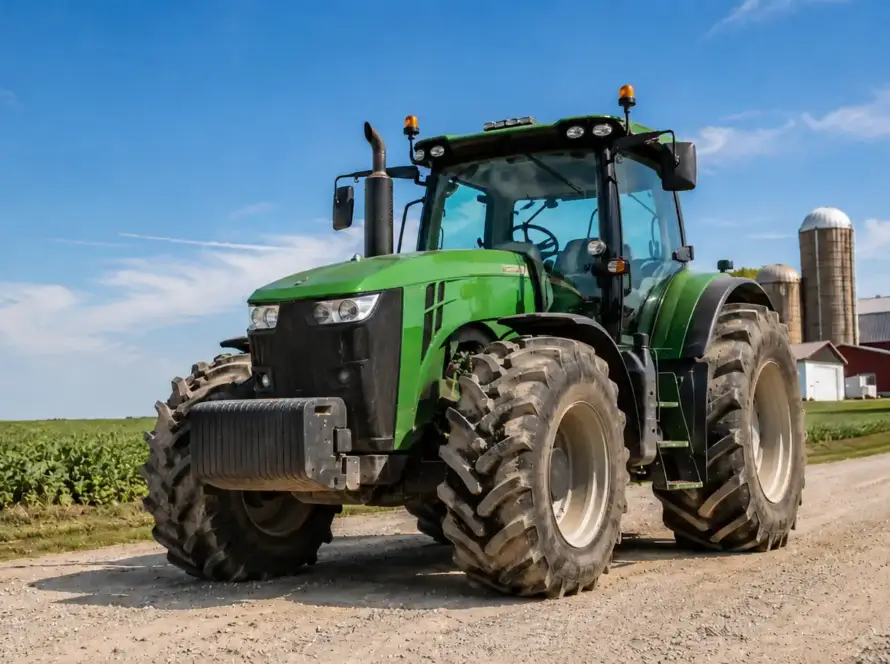

Hotshot truck financing should be designed around the launch sequence. The pickup must legally and mechanically match the trailer. Payload has to be calculated after passengers, fuel, tools, and hitch weight. The operator also needs enough cash to reject loads that do not cover empty miles, wear, time, and collection delay.
A practical plan divides the startup into stages: become compliant, prove the equipment combination, establish a load-acceptance floor, protect a repair reserve, and expand only after real deposits support the next step. Financing is one piece of that plan, not the business model itself.
Table of Contents
- Days 1-30: Become Operationally Legal
- Days 31-60: Prove the Truck and Trailer Pairing
- The 90-Day Hotshot Control Board
- Days 61-90: Establish a Load-Acceptance Floor
- Build the Startup Cash Runway
- Do Not Finance a Payload Mistake
- Used Pickup and Trailer Inspection
- Market Context Without Market Chasing
- When Rental or Subcontracting Is Smarter
- Prepare the Small-Operator Application
- The First Expansion Gate
- Frequently Asked Questions
- The Day-90 Expansion Gate
- Sources
Use milestones instead of a distant annual forecast.
Days 1-30: Become Operationally Legal
| Requirement | Before service | Recurring control |
|---|---|---|
| Asset documentation | trailer invoices | Keep current and linked to the unit |
| Operator or crew | Qualification and training confirmed | Refresh and document as required |
| Inspection or certification | Verify status related to engine | Calendar the next due date |
| Insurance and customer acceptance | Written confirmation | Review after configuration or use changes |
Day-30 note: Create a compliance calendar that identifies initial approval, recurring inspection, training, record retention, and renewal. Store records such as separate truck and trailer invoices, VINs, titles, mileage, inspection records, business authority information, insurance quote, and intended freight plan where operations, maintenance, and management can retrieve them. Missing proof can take an otherwise functional asset out of service.
Compliance requirements should be treated as operating conditions, not as paperwork added after the purchase. Depending on the hotshot truck and trailer combination and jurisdiction, the transport company may need licensing, registration, inspection, certification, operator qualification, insurance, permits, accessibility documentation, safety systems, or customer-specific approval before the unit can work.
The final configuration must match the compliance path. A change involving transmission may affect legal weight, rated capacity, guarding, accessibility, vehicle acceptance, transport permits, or customer eligibility. Seller statements should be supported by applicable documentation and verified against the actual use.
Compliance cost and downtime belong in the cash model. The financing decision should leave room for inspections, certification, training, repairs identified during review, and any period when the unit cannot produce revenue while an issue is corrected.
Days 31-60: Prove the Truck and Trailer Pairing
Which requirement cannot be compromised?
Day-60 note: Choose the specification that controls safety, legality, capacity, or customer acceptance. For this hotshot truck and trailer combination, gross combination weight rating deserves a written threshold.
What must connect to existing operations?
Check interfaces involving axle ratio, support equipment, utilities, software, and transport.
Which option needs an economic reason?
Tie hitch to measurable output, labor, quality, or downtime before paying for it.
Compatibility can be more expensive than capacity. The hotshot truck and trailer combination may need to work with existing vehicles, implements, attachments, utilities, software, trailers, buildings, materials, or service procedures. A mismatch can require cash spending on registration, delay the start date, or prevent the unit from accepting the work used to justify it.
The specification sheet should begin with the work, not the options list. For the hotshot truck and trailer combination, relevant variables may include pickup class, gross combination weight rating, engine, transmission, axle ratio, bed configuration, hitch, braking system, trailer capacity, tie-down equipment, and commercial insurance requirements. Each item should be tied to access, output, quality, legal configuration, operator use, maintenance, transport, or customer requirements. A feature without a defined operating effect is a preference, not a requirement.
The fleet should separate three categories: nonnegotiable specifications, economically useful options, and features that are attractive but unsupported. This creates a disciplined response when a seller proposes a substitute unit. Availability is valuable only when the substitute still performs the required job and does not transfer hidden work to employees or other equipment.
Before the quote is approved, compare the selected configuration with at least two representative operating situations from time-sensitive regional freight, construction materials, machinery, oilfield support, agricultural loads, and expedited deliveries. The comparison should expose what happens at the edge of the requirement, such as the heaviest load, narrowest access, longest route, highest-output shift, or most demanding season.
The 90-Day Hotshot Control Board
Day-90 gate: A startup forecast is easier to manage when it is divided into three 30-day gates. The first gate covers authority, insurance, truck-trailer compatibility, and basic operating readiness. The second checks actual load selection and cash use. The third decides whether the operator has earned the right to expand rather than merely survived the opening months.
The fleet can build this working model with operating records rather than broad market assumptions. Use recent invoices, dispatch or production data, service history, employee schedules, vendor documents, and bank activity where relevant. Separate confirmed work from probable work and probable work from a general sales opportunity. The hotshot truck and trailer combination should not receive full utilization on day one unless the records support that assumption.
| Evidence layer | Article-specific example | Management use |
|---|---|---|
| Operating evidence | oilfield support | Confirm volume, timing, and margin |
| Configuration evidence | axle ratio | Match the real assignment |
| Condition or readiness | hitch condition | Price repair or deployment delay |
| Cash evidence | tolls | Use conservative timing |
| Control evidence | insurance quote | Keep written support in the file |
Run the model in at least three versions. The conservative version includes a slower start, one meaningful interruption, and delayed cash receipts. The expected version uses current records without assuming perfect execution. The strong version can show upside, but it should not be the only version that supports the obligation. For this purchase, a stress event involving trailer brakes should be visible rather than buried in a general contingency percentage.
Finish with written decision gates. Confirm the seller, configuration, placed-in-service date, total project cost, inspection or acceptance evidence, insurance, cash due at closing, and the reserve remaining afterward. If a gate fails, the response may be a price adjustment, repair, different unit, revised financing structure, delayed purchase, rental, or no transaction. That discipline is more useful than forcing the hotshot truck and trailer combination into a payment target.
- State the operating result expected from expedited deliveries.
- Verify the requirement involving hitch.
- Document the condition or readiness issue involving axles.
- Keep liquidity for driver pay.
- Assign a named owner and due date to every unresolved gate.
Days 61-90: Establish a Load-Acceptance Floor
Field checkpoint: The economic case should use the operating unit that creates revenue, savings, or service capacity. For the hotshot truck and trailer combination, the model may draw from loaded rate, deadhead, broker fees, fuel, commercial insurance, maintenance, tolls, factoring cost, driver pay, and payment delays. Gross output is not enough. Labor, fuel or power, materials, consumables, maintenance, insurance, travel, setup, downtime, and collection delay must be deducted before the contribution is compared with the financing obligation.
- Choose one production unit from loaded rate, deadhead, broker fees, fuel, commercial insurance, maintenance, tolls, factoring cost, driver pay, and payment delays.
- Subtract direct and support costs before comparing with the payment.
- Do not count work already handled by existing capacity as new revenue.
- Include a realistic collection delay.
- Require the conservative case to remain manageable.
Use three cases. The conservative case reflects a plausible slow period, delayed deployment, weather interruption, staffing shortage, or weaker customer volume. The expected case uses current records and supportable demand. The strong case shows upside, but it should not be required to make the payment affordable. For the hotshot truck and trailer combination, record this point in the Days 61-90: Establish a Load-Acceptance Floor review before closing.
Replacement economics should include avoided cost and protected service. Expansion economics require incremental work. The transport company should not count revenue that existing capacity already produces. For assignments such as time-sensitive regional freight, construction materials, machinery, oilfield support, agricultural loads, and expedited deliveries, the model needs to show what the proposed unit changes rather than simply adding total company revenue to the worksheet.
Construction, agriculture, energy, and spot freight can produce uneven weekly revenue. The model should therefore show when work is completed and when cash is likely to arrive. A purchase can create accounting profit while still causing a bank-balance problem if receivables, retainage, crop sales, broker payments, or municipal billing move more slowly than the scheduled payment.
Build the Startup Cash Runway
Day-30 note: The low point on that calendar matters more than the best month. Construction, agriculture, energy, and spot freight can produce uneven weekly revenue. The proposed hotshot truck and trailer combination should not force the company to borrow for payroll, delay taxes, postpone maintenance, or use emergency reserves during a normal seasonal or receivable gap.
| Period | Likely cash pressure | Control |
|---|---|---|
| Before delivery | Deposit, insurance, and deadhead | Confirm remaining liquidity |
| First operating cycle | Labor, fuel or power, and fuel before collection | Maintain working-capital reserve |
| Slow period | construction, agriculture, energy, and spot freight can produce uneven weekly revenue | Use conservative workload and payment timing |
| Repair period | wheel bearings plus lost capacity | Reserve, warranty, rental, or backup plan |
A payment test should be built from bank timing, not annual averages. Map the months or weeks when the fleet pays labor, fuel or power, materials, insurance, taxes, repairs, and other obligations. Then place customer collections, crop sales, reimbursements, retainage releases, or contract payments on the same calendar.
Create a separate repair-and-downtime case. Assume a plausible issue involving trailer brakes, then add the cost of replacement capacity, lost work, rescheduling, or overtime where relevant. This is not a prediction of failure. It tests whether one ordinary equipment problem would destabilize the payment plan.
Down payment decisions belong inside this test. More cash down may reduce the scheduled obligation, but less liquidity can increase operating risk. The right contribution leaves enough working capital to place the unit into service, run through the first collection cycle, and respond to a realistic maintenance event.
Do Not Finance a Payload Mistake
Which risk can stop service?
Day-60 note: Evaluate towing history, operator availability, support equipment, and the delivery window.
Which risk can consume cash?
Price trailer tax, immediate repairs, and the first collection gap.
Which assumption carries too much weight?
Identify customer, project, season, operator, or vendor concentration and build a fallback.
The most expensive mistakes often begin as shortcuts: selecting a unit by payment, accepting a substitute without checking fit, relying on the seller’s inspection, ignoring registration, or assuming peak demand will continue. A written red-flag list gives the fleet permission to slow the transaction when urgency begins to replace evidence.
Condition and deployment risk can combine. A finding involving hitch condition may delay the start date, consume the working-capital reserve, and reduce the time available to earn before a slow period. The decision should consider these effects together rather than treating each as a small isolated issue.
Concentration deserves attention. One customer, one contract, one operator, one season, one vendor, or one specialized application can carry the entire repayment case. Construction, agriculture, energy, and spot freight can produce uneven weekly revenue. The business should identify what remains if the concentrated source weakens or the equipment is unavailable.
Stop conditions need to be objective. Examples include a failed inspection, unresolved title or lien, material specification mismatch, missing insurance, delivery outside the operating window, total project cost above the approved limit, or a conservative cash case that requires protected payroll or tax money.
Used Pickup and Trailer Inspection
Day-90 gate: Age, hours, and mileage create a starting point, but they do not establish condition. The inspection should address truck mileage, engine hours, towing history, transmission temperature history, frame and hitch condition, trailer deck, axles, brakes, tires, wiring, and prior load profile. Prior duty, storage, overloading, contamination, collision or structural repair, operator practice, and maintenance quality can make two apparently similar units carry very different remaining risk.
- Match the serial number and identifiers across separate truck and trailer invoices, VINs, titles, mileage, inspection records, business authority information, insurance quote, and intended freight plan.
- Inspect truck mileage and frame.
- Obtain an estimate for cooling system.
- Document seller responsibility for unresolved repairs.
- Set a walk-away rule for a failed test or undisclosed damage.
Service records matter when they can be reconciled with the unit. The carrier should compare serial numbers, dates, hours or mileage, parts replaced, recurring fault history, and major work. Missing records do not automatically make a purchase impossible, but they increase the value of an independent inspection and reduce the confidence that should be placed in a long remaining-life assumption.
Inspection findings should be converted into decisions. A concern involving transmission temperature history may justify a repair before delivery, a price reduction, a larger reserve, a shorter term, a seller warranty, or a decision to stop. The purpose is not to predict every failure. It is to identify material wear and allocate responsibility before closing.
The first maintenance cycle should be priced before the financing amount is finalized. Items such as transmission, cooling system, wheel bearings, trailer brakes, tires, suspension, diesel emissions components, and roadside repair reserves may arrive earlier than the scheduled payment model suggests. Keeping a repair reserve is often more financially useful than putting every available dollar into the down payment.
Market Context Without Market Chasing
Field checkpoint: Freight conditions can move quickly, so recent volume alone should not determine a multiyear equipment commitment.
American Trucking Associations publishes a monthly truck tonnage index, while FMCSA maintenance resources reinforce that roadworthiness depends on systematic inspection, repair, and records. The practical use of those sources is to stress-test utilization and maintenance assumptions, not to predict a guaranteed freight cycle. For the hotshot truck and trailer combination, record this point in the Market Context Without Market Chasing review before closing.
When Rental or Subcontracting Is Smarter
Day-30 note: Ownership is one method of obtaining capacity, not the only one. Rental, short-term lease, subcontracting, repair of existing equipment, shared capacity, or delaying the purchase may be stronger when demand is uncertain, the required configuration is not settled, or the operating window is too short to complete the transaction responsibly.
The first path
Temporary capacity can provide information. Using rental or subcontracting for assignments such as time-sensitive regional freight, construction materials, machinery, oilfield support, agricultural loads, and expedited deliveries may reveal utilization, operator requirements, customer response, and the specification that actually matters. The higher visible weekly cost can be worthwhile when it prevents a long-term purchase based on weak assumptions.
Replacement and expansion should be evaluated separately. Replacement can protect current work, reduce downtime, or remove a unit with rising service exposure. Expansion needs incremental demand. The carrier should not use existing revenue to prove an additional hotshot truck and trailer combination unless the new unit changes capacity, timing, quality, or the amount of outsourced work.
The alternative path
Construction, agriculture, energy, and spot freight can produce uneven weekly revenue. The decision should compare the total cost and operational consequence of each path over the period that matters. Ownership may become the strongest choice once recurring demand, support resources, and cash flow are visible, but it should not be treated as the default answer.
Prepare the Small-Operator Application
What does the application say?
Day-60 note: The transaction purpose, amount, and ownership information should match the supporting records.
What proves the equipment?
Provide the quote, identifiers, condition information, seller details, and intended use for the hotshot truck and trailer combination.
What supports repayment?
Use current bank activity, financial information, workload records, and a conservative cash-flow explanation.
An underwriting file should tell one consistent story. The legal business name, ownership, seller, price, serial or VIN information, cash contribution, equipment description, intended use, and requested structure need to agree across the application, quote, insurance, and supporting documents. Inconsistency creates questions even when each document looks complete by itself. For the hotshot truck and trailer combination, record this point in the Prepare the Small-Operator Application review before closing.
The review may consider business and personal credit, time in business, revenue, bank activity, existing obligations, cash flow, industry conditions, owner experience, equipment value, seller information, and the proposed transaction. No single factor controls every decision, and requirements vary by applicant, asset, program, and funding source. For the hotshot truck and trailer combination, record this point in the Prepare the Small-Operator Application review before closing.
For the hotshot truck and trailer combination, useful supporting records may include separate truck and trailer invoices, VINs, titles, mileage, inspection records, business authority information, insurance quote, and intended freight plan. Used or specialized units may require more evidence involving transmission temperature history. The operator should request a document list early, assign an owner to each item, and resolve title, lien, inspection, insurance, or seller issues before building operations around an assumed funding date.
The business explanation should connect the equipment to repayment capacity without exaggeration. Use current workload, replacement history, contracts, route data, production records, or a conservative forecast based on loaded rate, deadhead, broker fees, fuel, commercial insurance, maintenance, tolls, factoring cost, driver pay, and payment delays. Approval and funding remain separate stages; a credit decision does not mean every closing condition has been satisfied.
The First Expansion Gate
Day-90 gate: A final decision should make the tradeoffs visible. For hotshot truck financing, the fleet is not choosing between an expensive unit and a cheap unit. It is choosing among different combinations of readiness, condition risk, operating fit, cash use, payment structure, and exit flexibility.
- State the nonnegotiable job for the hotshot truck and trailer combination.
- Set a maximum total project cost, not only a payment target.
- Define the minimum cash reserve after closing.
- Require written resolution of inspection and documentation issues.
- Re-run the decision if price, configuration, delivery date, or financing changes.
Record why the selected option won and which conditions still need to be satisfied. That note becomes useful during closing, deployment, and the next equipment review. It also prevents a late discount, trade allowance, or monthly-payment change from replacing the operating logic that started the purchase. For the hotshot truck and trailer combination, record this point in the The First Expansion Gate review before closing.
Write the decision criteria before the last proposal arrives. The criteria should reflect buying the truck and trailer together or in stages, the work the hotshot truck and trailer combination must perform, the latest acceptable start date, the amount of liquidity that must remain available, and the failures the business cannot tolerate. Weight the few factors that could actually change the outcome.
The base case should stand without optimistic assumptions about loaded rate, deadhead, broker fees, fuel, commercial insurance, maintenance, tolls, factoring cost, driver pay, and payment delays. Then test a slower start, one major repair or implementation delay, and weaker collections. A proposal that works only in the strongest case is not necessarily affordable; it may simply postpone the pressure.
Frequently Asked Questions
Can a startup obtain hotshot truck financing?
Field checkpoint: Programs may be available to some newer businesses, but startup requests can receive closer review of owner experience, credit, equity contribution, contracts, cash reserves, seller, and the business plan. A startup should not forecast full utilization immediately. It should show a staged ramp and enough liquidity to absorb slower sales or collections.
What documents should be ready before applying?
A useful file normally includes business and owner information, recent financial or bank records as requested, a detailed invoice or purchase order, seller information, equipment identifiers, and supporting records such as business authority information. The exact list varies by transaction. Clean, consistent documents can reduce avoidable questions, but they do not guarantee approval or funding.
How does equipment condition affect the request?
Condition affects reliability, value, remaining life, maintenance reserve, and sometimes program eligibility. For this hotshot truck and trailer combination, review evidence related to transmission temperature history. A low price does not offset a short remaining life when repairs and downtime occur during the busiest operating period.
Can a used hotshot truck and trailer combination qualify for financing?
It may. Availability and terms depend on the applicant, transaction, seller, equipment age, condition, value, remaining useful life, documentation, and the financing program. A buyer should support the request with a credible inspection, ownership records, and specific findings on transmission temperature history rather than relying on age or hours alone.
How fast can a hotshot truck financing transaction close?
Timing depends on the applicant, equipment, seller, amount, documentation, credit review, inspection, insurance, title or lien work, and closing conditions. A credit decision is not the same as funding. Build the operating schedule around a realistic path from application to delivery and acceptance instead of assuming an immediate close.
Should the business pay cash instead of financing?
That depends on the value of liquidity. Paying cash can avoid financing cost, while financing may preserve funds for payroll, materials, repairs, seasonal needs, or other investments. Compare the total cost and risk of both choices, including what happens if the business uses most of its cash just before a slow month or major repair.
The Day-90 Expansion Gate
Day-30 note: Capital equipment should remove a defined problem or protect a defined service. When the purpose is vague, a long term can make uncertainty look affordable without making it safer.
For hotshot truck financing, the carrier should select the hotshot truck and trailer combination only after the work, timing, condition, support, financing structure, and remaining liquidity have been tested together. Approval and funding depend on the applicant and transaction, and no forecast eliminates operating risk.
Business owners who want help organizing the equipment request and comparing available structures can contact Vitality Finance or start an application. The conversation should begin with the asset, the operating need, and the financial evidence behind the purchase, not with a promised approval or a payment taken out of context. For the hotshot truck and trailer combination, record this point in the The Day-90 Expansion Gate review before closing.
