


A customer can want the machine, agree that it fits the work, and still hesitate over the purchase. Sometimes the issue is total price. Sometimes it is a down payment, the timing of cash, or uncertainty about financing. Waiting until the customer stops responding makes those reasons harder to separate.
You May Also Like
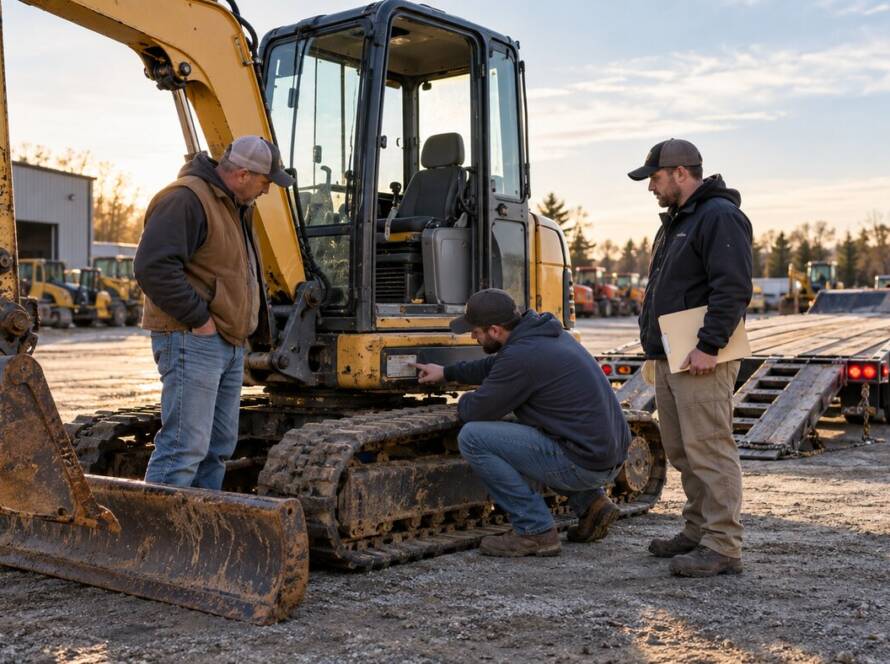

Introduce the financing conversation while the equipment discussion is still active. Keep it simple: identify whether the customer wants to explore available options, explain the next step, and make the handoff with permission. The dealer can support that conversation without predicting a credit decision.
Ask about the purchase plan early
After confirming equipment fit, ask how the customer expects to handle the purchase and when the unit needs to be in service. Find out whether there is a trade, deposit, existing equipment payoff, installation cost, or delivery constraint. These questions help explain the transaction without requiring the salesperson to conduct underwriting.
Use neutral language: “Would it help to review financing options for this purchase?” Avoid assuming that financing is necessary or better for every customer. A cash buyer may have a clear reason to avoid borrowing, while another customer may want to preserve cash for operations.
Show a complete proposal, not just a low payment
If you provide a payment illustration, identify the equipment price, assumed down payment, amount financed, term, repayment frequency, fees included or excluded, and any final obligation. Make clear that it is an estimate subject to review, not an approval. Have the financing partner review the presentation format and applicable requirements before using it publicly.
A payment calculator can start a conversation, but it cannot evaluate the customer, equipment condition, or seller requirements. The Federal Reserve survey found that higher-than-expected borrowing costs were common among online-lender borrowers. That finding supports clear explanations; it does not describe every lender or predict a customer’s experience. [FED]
Make the handoff useful on the first try
Send an accurate equipment quote, buyer contact information shared with permission, intended business use, requested timing, and seller contact. Confirm the preferred secure path for any sensitive application material. Do not attach personal identification or financial statements to a casual sales email simply because they might eventually be needed.
Vitality Finance’s dealer program describes direct referrals and coordination with the customer. [VD] Agree on who introduces the customer, who answers financing questions, and who reports transaction status. Ask for a clear next action at each stage rather than a general promise that someone is working on it.
Recognize the competitive baseline
Ameris Bank Equipment Finance markets a vendor program with financing, sales-management tools, and account-manager support. Those are competitor offerings, not Vitality features. [AMERIS] The practical lesson for an independent dealer is that financing support is already part of many equipment sales processes. A helpful introduction needs to be backed by accurate information and follow-through.
Do not imply that a new financing relationship replaces every existing program. The relevant discussion is whether a particular asset, customer, or purchase needs another suitable path. Confirm partner eligibility and operating expectations before promoting any arrangement.
Track the cause of stalled quotes
| Reason | Useful next action |
|---|---|
| Equipment does not fit | Resolve specification and intended use first. |
| Cash timing is unclear | Offer a financing discussion and review purchase timing. |
| Customer is comparing total cost | Provide an accurate equipment quote and complete financing details. |
| Delivery or installation is uncertain | Confirm a realistic deployment plan. |
| Customer has no near-term need | Record the timing and follow up when the need becomes real. |
Measure referred customers, complete applications, approvals, accepted offers, and funded deliveries separately. A referral is not a sale, and an approval may still have conditions. Learn where the process stops so the next improvement addresses an actual problem.
Give the sales team clear language
Salespeople do not need to be financing specialists, but they should know what they can say accurately. They can explain that financing may be available, describe the next step, introduce the customer to the financing team with permission, and set expectations about what information may be requested. They should avoid promising approval, quoting rates that have not been confirmed, or suggesting that a customer will qualify based on appearance or past business.
A short internal guide helps. Include a few approved phrases, the questions to ask before a referral, the questions to pass directly to the financing team, and the contact path for urgent transactions. Review the guide with the financing partner so that both teams describe the process consistently. When a salesperson is unsure, the safer answer is to connect the customer with someone who can respond accurately.
Time the introduction with the buying cycle
The best moment to raise financing is usually after the customer agrees the equipment fits the work and before the quote is finalized. At that point, the customer is still engaged and the transaction details are clear enough to discuss. Raising it too early can distract from equipment fit; raising it too late may leave insufficient time before the quote expires or the delivery slot is lost.
Pay attention to seasonal buying patterns and fiscal year timing in the industries you serve. Contractors may buy ahead of the building season, while some businesses prefer to make purchases before their tax year ends. Note the customer’s expected decision date and plan follow-up around it. A follow-up that references the customer’s own timeline is more helpful than a generic reminder.
Respect existing financing relationships
Many customers already work with a bank, a manufacturer’s captive finance program, or another equipment lender. Another financing option can be useful, but it should be presented as an additional path rather than a replacement. Ask whether the customer already has a preferred source and whether they would like to compare options. Respect the answer if they prefer to proceed with their existing relationship.
Transparency builds trust with both customers and financing partners. Be clear about how the dealer is involved in the financing relationship and avoid suggesting that one option is necessary to complete the purchase. Customers who feel informed rather than steered are more likely to return for the next machine.
Common dealer financing mistakes
Frequent problems include waiting until the customer stops responding before mentioning financing, sharing a payment estimate without explaining its assumptions, forwarding incomplete or outdated quotes, collecting sensitive financial documents through informal channels, and describing a pending application as approved. Another issue is losing track of referrals once they leave the sales team, which makes it difficult to learn what happened and why.
Most of these can be addressed with a simple process: one checklist, one secure contact path, a shared status log, and a regular review with the financing partner. The process does not need to be elaborate, but it should be followed consistently across the sales team.
Measure what the program contributes
After several months, review the results. How many quotes included a financing discussion? How many customers asked for an introduction? How many completed applications, received decisions, and took delivery? Compare close rates and time to close for quotes with and without a financing conversation, recognizing that other factors also affect results. Use the findings to refine the timing, language, and handoff process rather than to make broad claims about financing’s effect on sales.
Start with a small, documented pilot
Choose a manageable set of quotes where the customer has a real equipment need and has agreed to a financing conversation. Use one referral checklist and one contact path. Review outcomes with the financing team, including incomplete files and declined or withdrawn transactions. Avoid promising a particular close rate before you have your own evidence.
To explore a dealer relationship with Vitality Finance, share the equipment categories you sell, typical transaction sizes, seller setup, and the kind of customer questions your team receives. That makes the discussion concrete and helps establish a process your salespeople can explain accurately.
Discuss your request with Vitality Finance
Share the equipment, seller, price, business use, and timing so the team can review relevant next steps.
Terms and conditions vary by applicant qualifications, asset type, lender policies, and market conditions. Vitality Finance makes no guarantees of approval or funding. Examples are hypothetical and are not financing offers. Tax, legal, technical, and regulatory questions should be reviewed with the appropriate professional.
Sources and reference notes
- FED · Federal Reserve: 2026 Report on Employer Firms
Published March 3, 2026; findings from the 2025 survey - VD · Vitality Finance: Vendors & Dealers
Company page, checked October 7, 2026 - AMERIS · Ameris Bank Equipment Finance: vendor program
Competitor product page, checked October 7, 2026; marketing claims
