


A used machine can be available today while the transaction still needs several days of work. The seller must be identified, the equipment needs a clear description, and the buyer needs to understand condition and release terms. Financing adds another set of dependencies that should be organized before the deposit becomes a deadline.
You May Also Like

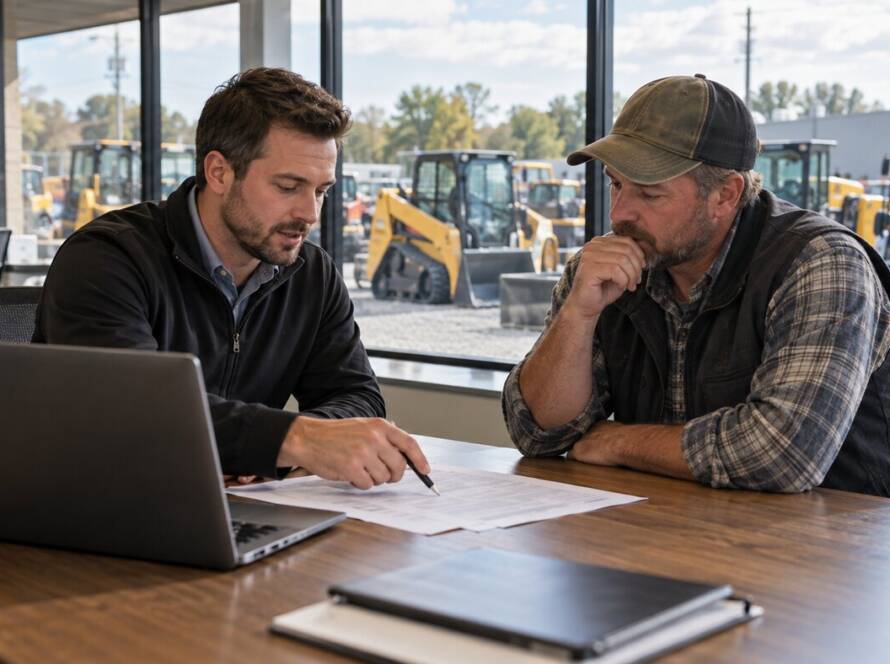
The best starting point is one accurate transaction file shared through the proper process. It should explain the machine, seller, buyer, price, timing, and unresolved items. A financing decision is part of that process, not proof that every technical or ownership question has been answered.
Confirm who is selling the equipment
Identify the legal seller and whether the equipment is owned outright, held on consignment, sold through an auction, or subject to an existing obligation. Those circumstances can affect what documentation and coordination are needed. Ask the financing team which seller types and transaction structures the relevant program can consider.
Verify payment and contact details through a trusted channel. The FTC’s business cybersecurity resources warn about impersonation risks; a changed payment instruction deserves careful verification. Use the transaction parties’ established process rather than treating an unexpected email as authority to redirect funds. [FTCSEC]
Identify the actual unit
Record make, model, year, serial number or VIN, equipment location, hours or mileage where applicable, and included attachments. Confirm that photographs, inspection records, and the final quote refer to the same unit. If an attachment has a separate identification number, include it when available.
Disclose modifications, rebuilt components, and known defects. A phrase such as “good used condition” is not a substitute for an inspection appropriate to the asset. Machinery, trucks, printing equipment, and shop equipment have different review needs. Use a qualified specialist for the type being purchased.
Separate condition review from financing review
The buyer should assess whether the equipment can perform the intended work, what immediate repairs are needed, and whether service and parts are available. The financing parties will review their own program requirements. One review does not replace the other.
For commercial vehicles in operations covered by FMCSA rules, inspection and maintenance responsibilities continue after acquisition. [FMCSA] A financing approval does not establish operational compliance. For other equipment, confirm applicable safety, setup, and operating requirements with the appropriate specialists.
Put deposits and contingencies in writing
Clarify the deposit amount, what reserves the equipment, refund conditions, inspection arrangements, and any financing contingency. Confirm quote expiration and whether the seller will hold the unit during review. Do not assume a deposit is refundable or that an approval automatically satisfies the sale agreement.
If an auction is involved, review payment deadlines, buyer premiums, removal conditions, and any requirement to settle before financing funds arrive. Discuss the transaction with the financing team before bidding. The ability to apply for financing is different from confirmed funding that meets the seller’s deadline.
Coordinate the funding and release sequence
| Stage | Confirm before moving forward |
|---|---|
| Decision | Amount, structure, conditions, validity, and required contribution |
| Documentation | Consistent buyer, seller, asset, price, and authorized signatures |
| Funding | Payee, verified instructions, lien or payoff steps where required |
| Release | Seller confirmation, pickup permissions, transport, and insurance |
| Deployment | Installation, acceptance, training, and first operating date |
The exact order can vary. Ask for the transaction-specific sequence and keep changes visible. A replacement unit, altered price, or new seller may require another review. Do not arrange irreversible delivery commitments solely on an expected funding date.
Remember that delivery and tax timing can differ
The IRS describes placed-in-service timing in terms of readiness and availability for the intended use. Delivery of a machine that still requires installation may not settle that date. [IRS] Have the buyer’s tax advisor review the circumstances. The dealer can provide accurate delivery and installation records without promising a tax result.
Plan transport, removal, and installation
Moving used equipment can involve rigging, disassembly, oversized-load permits, specialized trailers, and coordination with the seller’s site. Auctions and plant closures often set firm removal deadlines. Confirm who arranges and pays for transport, what insurance covers the equipment in transit, and whether the receiving site needs preparation such as foundations, power, ventilation, or access changes.
Some of these costs may need to be paid before funding or may not be eligible for financing. Include them in the buyer’s budget and timeline from the start. A machine that cannot be removed before the seller’s deadline, or cannot be installed when it arrives, can create storage fees and delays that are avoidable with early planning.
Where a third-party rigger or transport company is involved, confirm their insurance and the documents they need from the seller to remove the equipment. A clear handoff between the seller, transporter, and buyer reduces the chance of delays on the removal day.
Verify payment instructions before funds move
Payment fraud often targets the final stage of a transaction, when deadlines create pressure. Confirm payee details using contact information obtained independently, not from the email that contains the instructions. Treat any last-minute change in bank details as a reason to pause and verify by phone with a known contact.
Agree in advance which party will issue funds, to whom, and on what conditions. If the dealer, seller, buyer, and financing provider each understand the expected payment path, an unexpected request is easier to recognize. A short delay to verify instructions costs far less than recovering misdirected funds.
Handle trade-ins and existing liens
If the buyer is trading in equipment that still secures a loan, the payoff and lien release need to be coordinated with the new purchase. Obtain a written payoff amount with its expiration date and confirm how the release will be documented. Similarly, if the equipment being sold is subject to a lien, determine how that lien will be satisfied at closing.
If the buyer will pay part of the price from its own funds, confirm when and how that contribution is made relative to the financed portion. The seller should receive a clear explanation of how the full purchase price will be paid.
The sequence matters. Funds may need to go to an existing lender before the seller receives the balance, and the release of the old lien may be a condition of the new financing. Ask the financing team to outline the steps for the specific transaction so that each party knows what to expect.
Document acceptance and post-sale terms
Used equipment is often sold as-is, but some sales include a limited warranty, a short return period, or seller support during installation. Put any such terms in writing and note when they begin and end. If the buyer will test the equipment after installation, define what acceptance means and how any problems will be handled.
Keep copies of the final quote, inspection reports, bill of sale, delivery records, and acceptance documents together. These records are useful for warranty claims, insurance, tax discussions, and future resale. They also help resolve questions quickly if anything about the transaction is reviewed later.
Common used-equipment transaction mistakes
Frequent problems include paying a non-refundable deposit before confirming financing availability, bidding at auction without understanding the payment deadline, describing equipment from a listing rather than an inspection, overlooking removal and rigging costs, and accepting changed payment instructions without verification. Another is assuming that an approval covers a different unit after the original one sells. Each of these can be avoided by organizing the transaction file early and confirming the sequence with every party involved.
Bring the full transaction to the financing team
Vitality Finance works with vendors and dealers and advertises financing across multiple commercial equipment categories. [VD] Begin with a complete quote and a clear description of the sale. The useful outcome is a coordinated purchase where the buyer understands the condition, the seller understands the release requirements, and the financing steps reflect the actual transaction.
Discuss your request with Vitality Finance
Share the equipment, seller, price, business use, and timing so the team can review relevant next steps.
Terms and conditions vary by applicant qualifications, asset type, lender policies, and market conditions. Vitality Finance makes no guarantees of approval or funding. Examples are hypothetical and are not financing offers. Tax, legal, technical, and regulatory questions should be reviewed with the appropriate professional.
Sources and reference notes
- VD · Vitality Finance: Vendors & Dealers
Company page, checked October 7, 2026 - FMCSA · FMCSA Safety Planner: Inspection, Repair and Maintenance
Regulatory guidance, checked October 7, 2026; applicability varies - IRS · IRS Publication 946: How To Depreciate Property
2025 publication with 2026 limits; checked October 7, 2026 - FTCSEC · FTC: Cybersecurity for Small Business
Business email and impersonation resources; checked October 7, 2026
