


Garbage truck loan requirements vary by lender, transaction size, business history, credit profile, and the age of the equipment. There is no single universal checklist. Still, most financing requests are easier to evaluate when the borrower prepares the same core information before applying: who is borrowing, what truck is being purchased, who is selling it, how much cash is going into the deal, and how the business will make the payment.
You May Also Like
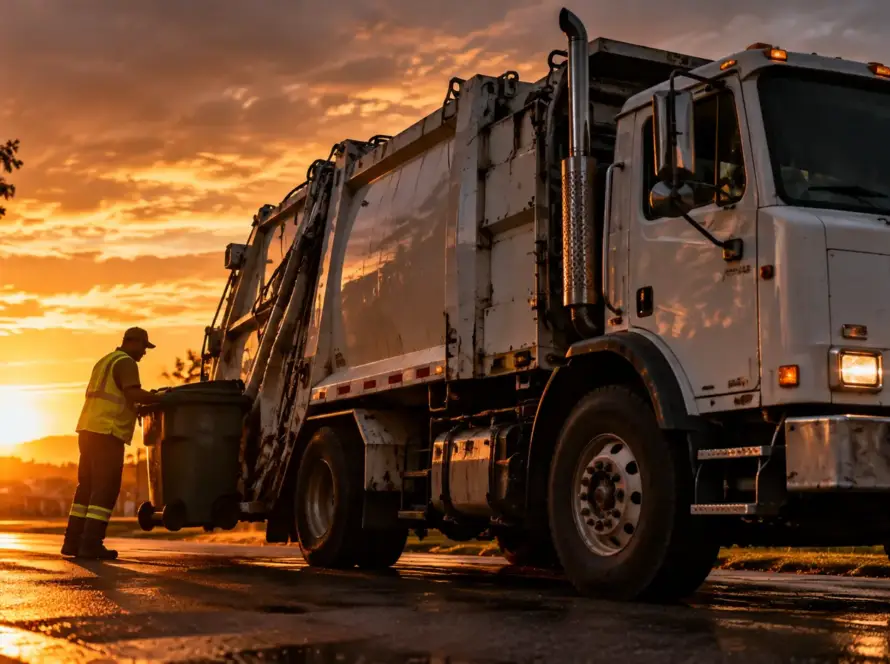
For waste and hauling companies, the equipment itself also deserves extra attention. A garbage truck is a specialized commercial asset. The chassis, refuse body, hydraulics, loader system, mileage, engine hours, condition, and seller documentation can all affect the financing review.
If you need the complete process first, start with the main Garbage Truck Financing guide. This article is the application checklist you can use once a specific truck is under consideration.
1. Basic Business Information
A lender will normally need to identify the legal borrower. Make sure the application matches your formation documents, bank account, tax records, and equipment invoice.
Common information includes the legal business name, DBA if applicable, business address, entity type, state of formation, federal tax identification number, ownership percentages, time in business, industry, and contact information.
Inconsistent names create delays. For example, if the invoice lists a trade name but the financing application lists an LLC, make sure the relationship is clear. The same applies to recently changed addresses or ownership structures.
For newer companies, the lender may also ask when operations started and whether the owners have prior experience in waste collection, hauling, trucking, recycling, construction, route management, or related industries.
2. Personal and Business Credit
Many commercial equipment programs review the personal credit of owners or guarantors, especially for closely held businesses. Established companies may also have business-credit information that is considered.
The lender may look at score, payment history, outstanding balances, recent inquiries, collections, charge-offs, bankruptcies, liens, or prior repossessions. The exact weight varies by program.
Do not assume a lower score automatically ends the application. A strong cash contribution, established business, healthy bank activity, good equipment, and relevant industry experience can sometimes offset part of the risk. If credit is the main concern, read Garbage Truck Financing With Bad Credit for a dedicated strategy.
Before applying, review your credit reports for errors. If a major negative event is legitimate, prepare a short factual explanation with dates and current status.
3. Recent Business Bank Statements
Bank statements can help show cash flow, average balances, deposit activity, and how the company manages existing obligations. Some programs may request only a few months, while others may request a longer history or additional financial statements.
Waste businesses should pay attention to the difference between invoiced revenue and collected cash. Recurring customer contracts are useful, but the financing payment is made from actual cash in the account.
Large unexplained transfers, frequent overdrafts, returned payments, or sharp balance swings can raise questions. That does not mean every uneven month is a problem. Seasonal costs, repairs, tax payments, or one-time purchases can often be explained if the business provides context.
4. Tax Returns and Financial Statements
Depending on the lender and deal size, you may be asked for business tax returns, personal tax returns, profit and loss statements, balance sheets, debt schedules, accounts receivable information, or year-to-date financials.
Lenders use these records to evaluate revenue, profitability, leverage, liquidity, and existing debt service. A company can show strong revenue and still have weak repayment capacity if margins are thin or existing obligations are already high.
Make sure interim financial statements are current. A profit and loss statement that is six months old may not tell the same story as recent bank activity.
5. Equipment Quote or Purchase Agreement
The equipment quote is central to the file. It should clearly identify what is being purchased and from whom.
For a garbage truck, the document should include the seller name and address, buyer, purchase price, model year, chassis make and model, VIN, refuse-body manufacturer and model when available, loader type, mileage, and any included equipment or upfits.
If the truck is used, include condition information and service history when available. If major repairs were recently completed, invoices can help support the condition story.
A generic one-line invoice such as "used garbage truck – $175,000" leaves too many questions. The more specific the asset description, the easier it is to evaluate value and eligibility.
6. VIN, Title, and Lien Information
The lender needs to confirm the asset can be financed and properly secured. That can require VIN verification, title review, lien payoff information, or other ownership documents.
Private-party sales may require extra steps because the seller is not a dealer. Make sure the title owner matches the seller and that any existing lien can be paid off and released correctly.
Do not send a deposit to an unfamiliar seller before confirming the transaction is legitimate. Equipment fraud can involve altered invoices, fake sellers, incorrect VINs, or requests to wire money to unrelated accounts.
7. Equipment Age, Mileage, and Condition
Older equipment can still be financeable, but age and condition may affect the term and required equity.
For garbage trucks, mileage should be reviewed with engine hours and PTO hours because the truck may spend many working hours moving slowly or stationary while operating the body. The refuse body can also have a different wear profile from the chassis.
A lender may ask for photos, inspection reports, maintenance records, or an appraisal for certain transactions. The older or more specialized the truck, the more important condition evidence becomes.
If you are comparing new and used units, use the New vs Used Garbage Truck Financing guide before selecting the asset.
8. Down Payment and Source of Funds
Some transactions require a down payment, while others may qualify for higher advance levels. The required contribution can depend on credit, time in business, equipment age, purchase price, collateral strength, and lender policy.
If a down payment is required, the lender may want to verify that the funds are available and come from an acceptable source. Large last-minute deposits can create questions if their origin is unclear.
Do not commit so much cash that the business has no operating reserve after closing. A waste company still needs money for fuel, payroll, insurance, disposal fees, repairs, permits, containers, and customer-payment delays.
Read How Much Down Payment for a Garbage Truck? for a deeper liquidity framework.
9. Proof of Industry Experience
Industry experience can be particularly important for startups or newer companies. Owning a garbage truck is not the same as knowing how to operate a waste business.
Relevant experience may include waste collection, roll-off operations, CDL driving, dispatch, fleet maintenance, commercial route sales, municipal contracting, recycling, construction hauling, container management, or transfer-station operations.
A short resume or business background can help explain why the owner is prepared to operate the asset. If the company already has drivers, mechanics, or route managers in place, include that operational structure where relevant.
10. Contracts, Routes, or Proof of Work
Not every lender requires contracts, but evidence of existing or expected work can strengthen the business case.
For an established hauler, this may include recurring customer lists, municipal contracts, commercial dumpster agreements, route reports, invoices, or historical revenue from similar trucks.
For a startup, a signed contract, letter of intent, customer pipeline, or documented service plan can be more persuasive than a general statement that "there is demand."
The financing file should connect the truck to actual work. If the new unit is replacing an existing truck, show the current route. If it is expansion, show why the additional capacity is needed.
11. Insurance Information
Commercial truck financing normally requires insurance that protects the asset and meets lender requirements. The exact coverage depends on the lender, vehicle, and operation.
Get an insurance indication before closing. A high premium can materially change the economics, especially for a startup, a high-value front loader, or a business with difficult driver history.
The insurance policy should use the correct VIN and legal business name. The lender may need to be listed as loss payee or additional interest, depending on the agreement.
12. Driver and Compliance Information
The financing company is not your compliance adviser, but your operating plan should account for the legal requirements of using the truck.
Depending on the vehicle and operation, that can include CDL requirements, registration, DOT obligations, state and local waste permits, franchise agreements, disposal-site rules, and driver qualifications.
A truck that cannot legally or practically operate on the intended route is not a productive asset. Confirm these requirements before closing rather than after the vehicle arrives.
13. Existing Debt and Monthly Obligations
A lender may ask for information about current loans, leases, credit lines, merchant advances, vehicle payments, or other obligations.
The purpose is to understand total debt service. A business with strong deposits can still be overextended if a large portion of monthly cash is already committed.
Be accurate. Undisclosed debt can appear in credit or bank activity and create questions. A complete application is usually easier to underwrite than one that requires repeated corrections.
14. A Clear Reason for the Purchase
The strongest applications explain why the business needs this specific truck now.
Common reasons include replacing an unreliable unit, adding a route, servicing a new municipal contract, expanding commercial dumpster capacity, reducing third-party hauling, or increasing backup capacity.
Tie the reason to measurable operational impact. For example, "replace a 2013 rear loader averaging six downtime days per month" is more useful than "need a newer truck."
15. A Conservative Cash-Flow Explanation
The financing payment should be supported by realistic route economics. Start with collected revenue and subtract labor, fuel, disposal fees, insurance, repairs, tires, software, yard costs, licensing, and other direct expenses.
Then test a downside case. What if route volume is 20% lower, one large customer pays late, or the truck misses several days for repair?
Lenders may use their own underwriting model, but the business should run this test for itself before taking on the obligation.
A Pre-Application Checklist
Before submitting, confirm that you have:
- Correct legal business information
- Ownership details
- Identification for required guarantors
- Recent bank statements
- Current financial statements if required
- Tax returns if required
- Existing debt information
- Complete equipment quote
- VIN and body details
- Seller information
- Title or lien information for used units
- Down payment funds if required
- Insurance indication
- Contracts or proof of work when useful
- Clear explanation of the truck's purpose
A complete file can reduce back-and-forth and help the lender understand the transaction faster.
Frequently Asked Questions
What documents are required for garbage truck financing?
Requirements vary, but common documents include an application, identification, bank statements, tax returns or financial statements for larger transactions, equipment quote, VIN details, seller information, and insurance information.
Do I need tax returns to finance a garbage truck?
Not always. Some programs are more documentation-light, while others require business and personal tax returns. The requirement often depends on the amount financed, time in business, credit profile, and lender.
Do lenders require a down payment?
Some do and some transactions may qualify for higher financing percentages. Down payment requirements depend on the borrower, asset, purchase price, and lender policy.
Can I finance a truck from a private seller?
Potentially, but private-party transactions may require extra verification of title, ownership, VIN, lien payoff, and seller identity.
Does the lender inspect the garbage truck?
Sometimes. Photos, inspection reports, appraisals, or additional condition documentation may be required, especially for older or specialized used equipment.
Do startups have more requirements?
Often yes. A startup may need stronger personal credit, more cash contribution, industry experience, detailed operating plans, contracts, or other evidence that the truck will generate revenue.
