


The decision to repair or replace equipment becomes more important when the asset sits in the middle of a 2027 revenue plan. A machine can be paid off and still be expensive. It can also be new and underused. The useful question is not simply which option costs less today, but which option gives the business reliable capacity at an acceptable total cost and risk.
You May Also Like
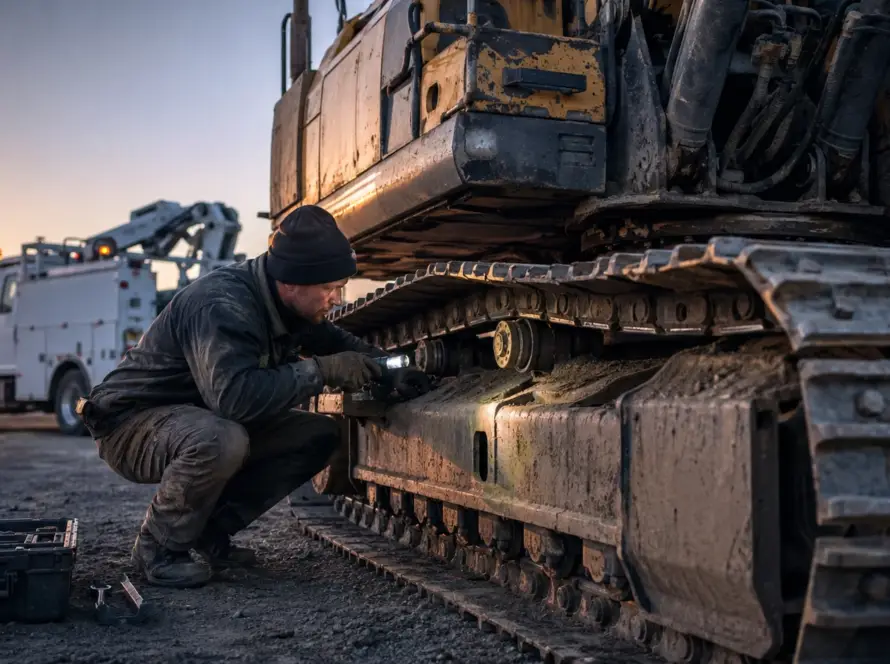
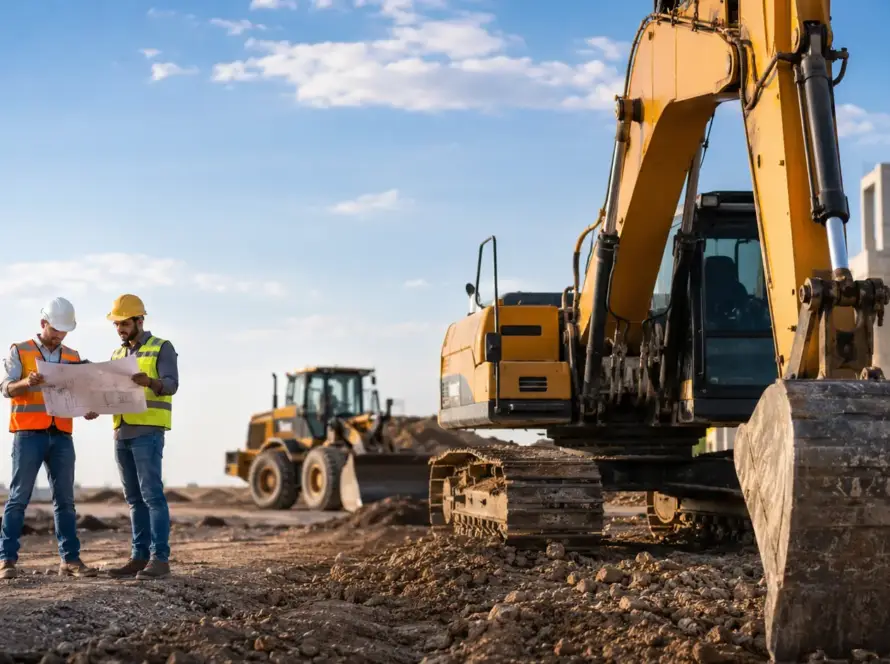
For some businesses, one repair protects a productive asset for several more years. Others are losing enough time, labor, rental expense, or customer confidence that replacement is overdue. A third group does not need to replace anything; it needs added capacity because existing equipment is reliable but fully committed.
A disciplined decision separates those cases before a seller quote or financing approval creates momentum.
Start the repair or replace equipment decision with work
Write down what the equipment must accomplish in 2027. Use the measure that controls the operation: routes per day, tons moved, acres covered, production units, billable hours, jobs completed, patients served, or rental days avoided. Then identify the dates when failure or insufficient capacity would cause the most damage.
The recommends separating committed and recurring work from speculative opportunities. That distinction matters here. A replacement may be justified by reliability even if revenue stays flat. Added capacity normally needs stronger evidence that more work will exist and can be staffed, scheduled, and collected.
Calculate the cost of keeping the current asset
Repair invoices show only part of the cost. Build a twelve- to twenty-four-month record that includes:
- parts, shop labor, field service, towing, and diagnostics;
- planned maintenance and major service due soon;
- rental or subcontract expense while the asset is unavailable;
- operator and crew time lost during breakdowns;
- overtime or rescheduling required to recover production;
- jobs declined, routes missed, or quality penalties caused by unreliable capacity;
- insurance, registration, software, and compliance costs that continue while the asset is down; and
- the asset's current sale or trade value and how quickly that value may decline.
Do not count every delayed job as permanently lost revenue. Some work can be rescheduled, and some downtime occurs during slack periods. Use documented events and conservative estimates. The purpose is to make hidden costs visible, not to manufacture a case for buying.
Measure reliability where timing matters
Average annual uptime can hide operational risk. A farm tractor that fails outside the field window is different from one that fails during planting. A garbage truck that loses a day when backup capacity is available is different from one that disrupts a contracted route. A production machine with redundant capacity has a different risk profile from the only machine able to perform a required step.
Track four measures:
- 1. Failure frequency: how often unplanned downtime occurs.
- 2. Time to restore: how long diagnosis, parts, service, and testing take.
- 3. Operational consequence: which crews, jobs, routes, or processes stop.
- 4. Recovery cost: rental, overtime, subcontracting, rescheduling, and customer impact.
A rising failure rate is concerning, but long and unpredictable recovery time may be the stronger replacement signal.
Compare six responses not just repair and replacement
| Response | Best fit | Main risk to test |
|---|---|---|
| Repair and keep | Remaining life is sound and the failure is isolated | Another major system may fail soon |
| Rebuild or overhaul | Core asset and support network remain valuable | Scope growth, long downtime, and limited warranty |
| Replace | Reliability, support, safety, or lifecycle cost has deteriorated | New payment exceeds the value of improved uptime |
| Add capacity | Existing equipment is reliable and proven demand exceeds capacity | Utilization or staffing falls short of the plan |
| Rent or outsource | Demand is seasonal, uncertain, or short term | Availability and cumulative cost during peaks |
| Defer | The business case or deployment plan is incomplete | A real constraint worsens while no fallback is prepared |
This wider set of choices protects the business from a false either-or decision. It also makes the financing conversation clearer because the owner can explain why the selected response is better than the realistic alternatives.
Decide whether the business needs replacement or growth capacity
Replacement restores capacity the business already depends on. Its value may appear through lower downtime, fewer emergency repairs, better safety, stronger parts support, or more predictable output. Added capacity is different. It raises the fixed-cost base and usually requires evidence that incremental work, labor, and working capital can support it.
For added capacity, document:
- signed contracts, route growth, booked backlog, recurring demand, or a defensible sales pipeline;
- the utilization ramp by month;
- operator, technician, driver, or clinical staffing;
- support equipment, attachments, software, utilities, and site readiness;
- materials, fuel, inventory, chemicals, or payroll needed before customer cash arrives; and
- the action the business will take if demand starts below plan.
Labor deserves special attention. NFIB reported in August 2026 that 35% of small-business owners had openings they could not fill. That national survey does not predict whether one company can staff one asset, but it supports confirming the operator plan before adding capacity.
Use lifecycle cost instead of purchase price alone
Put every realistic option on the same time horizon. A useful lifecycle view includes acquisition or repair cost, financing cost, taxes and fees, insurance, maintenance, fuel or power, consumables, labor, downtime, expected resale value, and the planned ownership period.
Keep estimates in ranges when evidence is weak. A used excavator with a lower price may still be the better option if inspection, service records, parts support, and remaining life are strong. A new asset may be preferable when uptime has unusually high value, warranty coverage matters, or technology materially changes output. Neither age nor price decides the case alone.
For specialized assets, investigate the secondary market. Limited resale demand may affect both future exit options and available financing programs. Match the proposed term to the period during which the asset is expected to remain productive, supportable, and useful to the business.
Account for the market without letting it make the decision
National indicators are mixed. July 2026 durable-goods orders increased 1.1%, according to the U.S. Census Bureau. Construction spending in July was 3.8% below a year earlier, while private nonresidential spending increased 0.4% from June. USDA forecast higher average net cash farm income for farm businesses in 2026, but it also forecast farm-sector debt to rise 4.6%, with results differing by commodity specialization.
These figures show why one headline cannot settle an equipment decision across industries. A paving contractor with funded backlog, a waste hauler adding a contracted route, a manufacturer removing a line bottleneck, and a livestock operation facing lower income can reach different conclusions in the same economy.
Stress test the selected response
Before committing, test the preferred option against events that are plausible rather than extreme:
- delivery or installation moves back thirty days;
- utilization reaches only 70% of plan for the first quarter;
- a major customer pays thirty days later than expected;
- insurance, fuel, labor, or service cost is 10% above budget;
- the current asset's trade value is lower than expected; or
- an unrelated unit in the fleet also needs repair.
A decision that survives only the best case is not ready. Adjust the asset, timing, cash contribution, structure, or operating plan until an ordinary pressure case remains manageable.
Prepare a one-page equipment decision record
Document the conclusion before submitting a financing request. The page should name the asset, selected response, business purpose, required in-service date, total deployed cost, expected utilization, cash remaining after closing, main downside case, fallback plan, and the person responsible for delivery and deployment.
This record helps the owner, seller, financing specialist, and internal team work from the same transaction. It also makes it easier to update the plan when the quote, inspection, delivery date, or cash forecast changes.
Connect the decision to financing without letting approval decide it
Financing availability is an input, not proof that the asset is right. Review an or against the expected useful life, ownership objective, payment timing, and cash cycle. Confirm the full cash due at closing and the operating costs that remain outside the financing.
Use the to organize business, seller, equipment, insurance, and timing information. Clear documentation can reduce avoidable questions, but it does not guarantee approval or funding.
Frequently asked questions
When is repair usually the better choice?
Repair may fit when the failure is isolated, the asset has sound remaining life, parts and service are available, downtime is manageable, and the repair restores dependable capacity at a reasonable lifecycle cost.
When does replacement deserve serious consideration?
Replacement deserves consideration when failures are recurring, recovery time is unpredictable, support is weakening, safety or compliance is affected, or downtime and repair costs are damaging contracted work. The projected improvement must still support the acquisition and operating cost.
How is adding capacity different from replacing equipment?
Replacement protects existing work. Added capacity assumes more work can be won, staffed, completed, and collected. It normally requires a utilization ramp, working-capital plan, and downside response.
Should a paid-off machine always be kept?
No. A paid-off asset has no scheduled loan payment, but it can carry high repair, downtime, labor, rental, or customer-service costs. Keep it when total economics and reliability support that choice, not only because the note is gone.
Make the 2027 decision from evidence
The right answer may be repair, replacement, added capacity, rental, outsourcing, or deferral. The decision becomes stronger when it is tied to actual work, lifecycle cost, reliable capacity, cash flow, and a documented downside case.
Vitality Finance helps U.S. businesses organize equipment-financing requests across construction, agriculture, waste and recycling, manufacturing, medical, landscaping, transportation, and other equipment-dependent industries. To discuss a planned purchase, . Terms and availability depend on the applicant, asset, lender policies, and market conditions.
Sources
- , August 2026 survey.
- , July 2026.
- , July 2026.
- , September 3, 2026.
