


Rent vs Buy Construction Equipment: 5 Smart Rules as Data Centers Drive Demand
You May Also Like
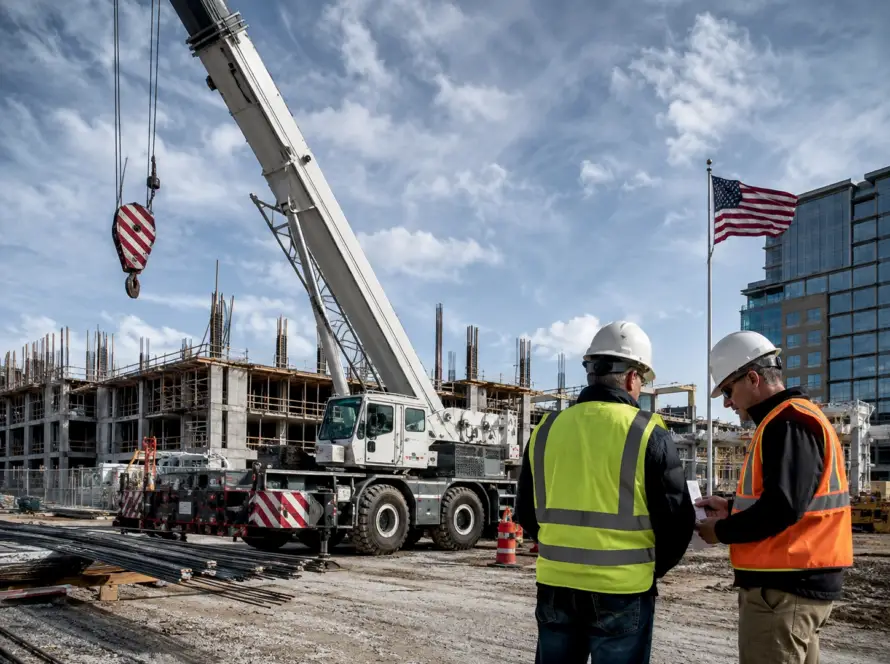
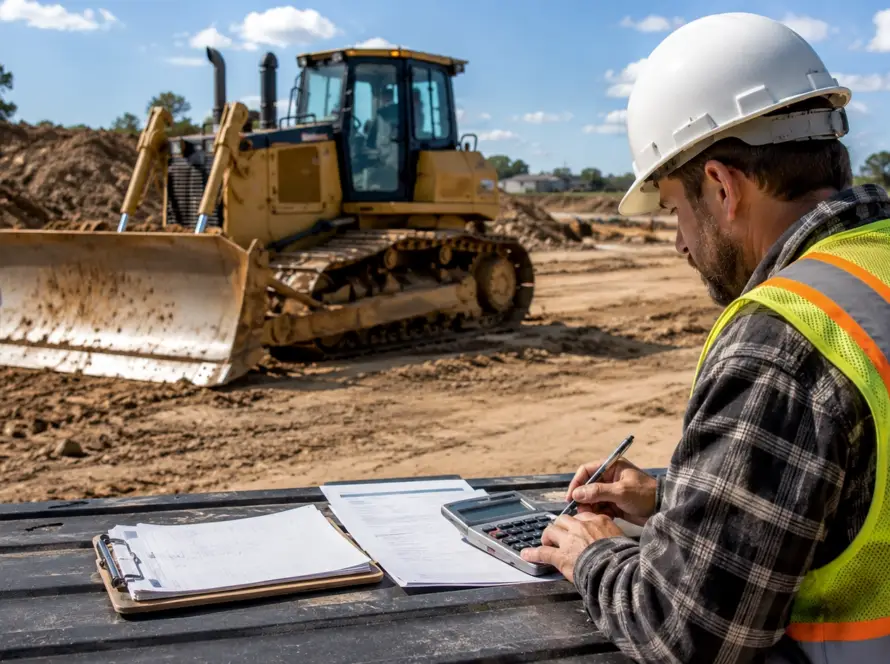
Rent vs buy construction equipment is one of the biggest decisions contractors face, and the US data center boom is making it more urgent. Census Bureau construction spending data has shown record levels of data center construction, and every project starts with massive site work, power infrastructure, and utility connections. Rental fleets are stretched in many markets, and contractors winning this work are asking whether to keep renting or to own.
Table of Contents
Why the Data Center Boom Changes the Math
Data center campuses often require months of continuous earthmoving, followed by utility, foundation, and paving work. Phased projects can keep the same machines busy for a year or longer. When work is that steady, rental costs add up quickly, and availability becomes a risk if rental yards run short during peak demand.
When Renting Makes Sense
- Short or one-time projects
- Specialized machines you rarely need
- Testing a model before committing
- Peak demand on top of your owned fleet
- Uncertain future workload
When Buying Makes Sense
- Steady, year-round utilization
- Equipment central to your core work
- Availability matters for your schedule
- You want to build equity instead of paying rent
- Your contract pipeline extends beyond the next season
5 Smart Rules for Rent vs Buy Construction Equipment
Rule 1: Measure utilization honestly
Pull last year’s rental invoices and count the weeks each machine type was on rent. A common rule of thumb: if utilization runs above roughly 60 to 70 percent of the working year, run the numbers on owning. Your invoices are also useful evidence for lenders because they show real demand.
Rule 2: Compare the full monthly cost of ownership
Ownership costs more than the payment. Compare a month of rental with the financing payment plus insurance, maintenance, repairs, transport, and storage, minus the equity you build and the resale value at the end of the term.
Rule 3: Match the term to your pipeline
If your contract pipeline covers 18 months of steady work, a term and structure that fit that pipeline lower your risk. Look at awarded contracts, bids, and repeat customers, not just hope.
Rule 4: Count availability as a cost
When rental fleets are tight, a delayed machine can delay an entire crew. If your schedule depends on having a machine on day one, ownership has value beyond the math.
Rule 5: Use rental purchase options carefully
Some rental companies offer a rental purchase option (RPO), where part of the rent applies toward buying the machine. It can work as a trial, but compare the final purchase price with financing the same machine from the start.
An Illustration
A contractor rents a mid-size excavator nine months a year at an illustrative $6,500 per four weeks, about $58,500 per year. An illustrative financing payment of $3,200 per month plus $700 per month for insurance and maintenance totals about $46,800 per year, and the contractor owns an asset at the end of the term. These figures are illustrations only; use your actual rental invoices and quotes when you run your own rent vs buy construction equipment comparison.
| Rental (illustration) | Ownership (illustration) |
|---|---|
| About $58,500 per year in rent | About $46,800 per year in payment, insurance, and maintenance |
| No equity at the end | An asset with resale value |
| Subject to rental availability | Available on your schedule |
Tax and Accounting Considerations
Owned equipment may qualify for depreciation, including Section 179 and bonus depreciation, depending on how it is financed and placed in service. Rental payments are generally deductible as operating expenses. Your tax professional can explain how each option affects your situation.
How Financing Helps You Move From Renting to Owning
Lenders view a strong rental history as evidence that the equipment is needed. A financing partner can structure a purchase around your contract timeline, finance used equipment to lower cost, or fund an RPO buyout. If you already own equipment with equity, refinancing can provide a down payment for new machines.
Rent vs Buy Construction Equipment: A Quick Scorecard
Give one point for each statement that is true for a specific machine:
- We rented this type of machine for more than six months last year.
- We have at least a year of awarded or highly likely work for it.
- Rental availability has delayed our schedule before.
- We have operators and maintenance capacity for another unit.
- The machine has a strong resale market.
Four or five points usually favor owning. Two or fewer usually favor renting. Three points means the rent vs buy construction equipment decision depends on the numbers, so compare costs carefully before committing.
Rent vs Buy Construction Equipment by Machine Type
| Machine | Common approach on long data center projects |
|---|---|
| Excavators and dozers | Often owned when site work lasts many months |
| Articulated dump trucks | Owned or rented depending on haul distance and duration |
| Tower and crawler cranes | Often rented or subcontracted because of size and specialized crews |
| Aerial lifts and telehandlers | Mix of rental and owned units based on utilization |
| Compact track loaders | Usually owned because they work on nearly every job |
Questions to Ask Before You Stop Renting
- How many months of awarded work do we have for this machine?
- What did we spend on rental for this type of machine last year?
- Can we keep the machine busy between large projects?
- Do we have operators, transport, and maintenance capacity?
- What is the resale market for this machine if plans change?
Answering these questions turns the rent vs buy construction equipment decision from a guess into a plan.
Related Guides
Frequently Asked Questions
What utilization rate justifies buying construction equipment?
Many contractors use 60 to 70 percent of the working year as a starting point, but compare total costs for your situation.
Can I finance a machine I have been renting?
Often, yes, including through an RPO buyout with financing.
Is used equipment a good way to stop renting?
It can lower the payment, but inspect hours, undercarriage, hydraulics, and service records.
Does owning equipment help with taxes?
It may. Owned equipment can qualify for depreciation deductions. Ask your tax professional.
Run the Numbers With Vitality Finance
Vitality Finance helps contractors across the US finance excavators, loaders, articulated trucks, and the rest of their earthmoving fleets. Bring your rental invoices and we will help you work through the rent vs buy construction equipment math. Call (361) 208-2501 or visit vitalitylend.com/.
Sources
- US Census Bureau: Construction Spending
- Associated General Contractors of America
- IRS Publication 946: How to Depreciate Property
Examples are illustrations only. All financing is subject to credit approval. Vitality Finance does not provide tax advice.
