


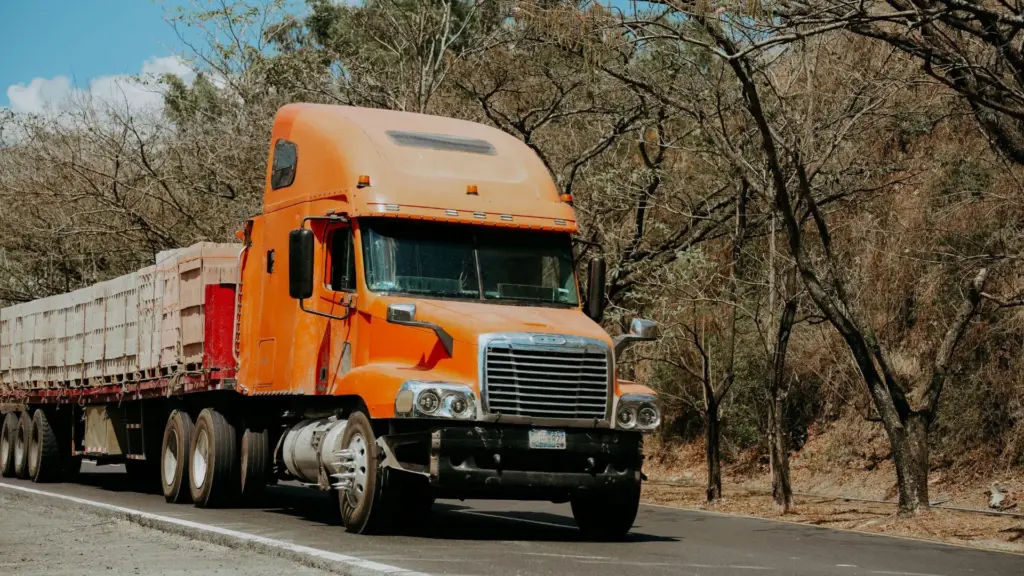
Owner Operator Truck Financing in 2026: Why Buyers Need a Smarter Plan. For many U.S. drivers, the challenge isn’t finding a truck. It’s qualifying for financing without putting so much payment pressure on the business that you can’t afford to run it. A tractor can cost tens of thousands used — and far more when you’re looking at newer, low-mileage equipment.
You May Also Like
In 2026, independent drivers are navigating a financing market shaped by interest rates, insurance costs, fuel volatility, and lender caution. The Federal Reserve’s H.15 data shows the bank prime loan rate at 6.75% as of late May 2026. Your actual offer will depend on your credit, business history, truck choice, and the lender you work with. But it’s a useful benchmark: money still has a real cost, and a weak deal can become expensive fast.
This guide focuses on what independent drivers can do before, during, and after the application to qualify more successfully — and to make sure the truck actually supports the business rather than straining it.
This guide is written for independent drivers and owner-operators moving from company driver to business owner. It explains how owner operator truck financing works, what lenders actually look for, which funding options are worth comparing, and how to prepare before you apply — so you walk in with a strong file, not just hopeful intentions.
Current 2026 financing decisions are shaped by a few practical realities. The IRS lists the 2026 Section 179 maximum deduction at $2,560,000, with the deduction beginning to phase out after $4,090,000 of qualifying property placed in service. The Federal Reserve Bank of St. Louis shows the bank prime loan rate at 6.75% in May 2026, which matters because many variable business loans and SBA-related pricing structures are tied to prime. The SBA describes 7(a) as its primary business loan program for small businesses, and it can be used for several business purposes, including equipment and working capital. For businesses in this space, ATRI’s 2025 operational cost research also shows why cash-flow discipline matters, since operators continue working in a high-cost environment. Treat these figures as planning inputs, not personalized financial or tax advice.
Here’s the practical goal: you want equipment that helps the business make money, and you want financing that leaves enough cash in the business to operate safely.
What Owner Operator Truck Financing Actually Covers
Owner Operator Truck Financing refers to funding used to buy or lease semi truck or commercial tractor or related business equipment. In most cases, the financed asset serves as collateral. If you stop making payments, the lender may have rights to the asset under the agreement.
That collateral gives lenders a way to manage risk — but it doesn’t replace the underwriting process. Lenders still review you, your business, the asset, the seller, and what you plan to do with the equipment.
A strong transaction usually comes down to three things: the asset fits the job, you can afford the payment, and your documentation tells a clear story. If any one of those is weak, getting approved becomes harder — or more expensive.
Common Assets That May Qualify
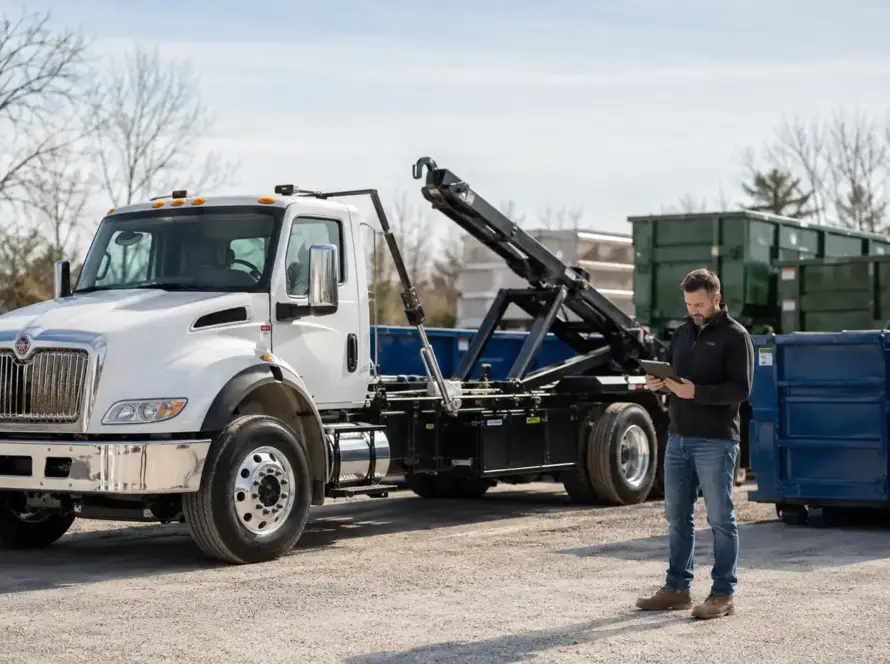
This type of financing may cover a tractor. Depending on the lender, it may also include related attachments, bodies, liftgates, technology, toolboxes, or other business-ready features.
The specific asset matters because lenders think in terms of value and recovery. A common model with strong resale demand is easier to finance than a highly specialized unit with limited appeal on the used market.
The real question isn’t just whether the equipment is available. It’s whether that specific unit can do the work, produce revenue, and stay reliable through the full financing term.
New vs. Used Equipment
New equipment offers warranty coverage, lower early maintenance risk, updated technology, and a longer expected useful life. It also carries a higher price tag, larger insurance cost, and steeper depreciation in the early years.
Used equipment can reduce upfront cost and make the monthly payment more manageable — helpful for smaller businesses, growing operators, and anyone trying to preserve working capital. The risk is condition.
Before financing used equipment, pay close attention to dispatch software, insurance, storage yard costs, winch maintenance, and after-hours payroll.
Here’s a simple truth: a cheap unit isn’t cheap if it spends too much time out of service. Downtime costs you revenue while the payment keeps coming.
How Lenders Review Your Application
Lenders aren’t just asking whether the asset has value. They’re asking whether you have the ability and the discipline to repay. A clear, organized application makes that review easier — and faster.
Most lenders look at credit, business history, cash flow, asset quality, down payment, and intended use. Some also consider contracts, invoices, fleet history, customer concentration, and industry experience.
Credit Profile and Payment History
Credit tells lenders how you’ve handled debt in the past. For small businesses, both business and personal credit may come into play.
Strong credit can help you qualify for better rates, lower down payments, and more flexible terms. Weaker credit doesn’t always mean denial, but it often changes the structure of the deal.
If your credit has challenges, be direct about it. Prepare an explanation and supporting documentation. Lenders will find the issues — unexplained problems create more doubt than honest ones.
Time in Business and Industry Experience
A business with several years of operating history is generally easier to underwrite. The lender can review actual revenue, expenses, and repayment capacity. Startups can still apply, but industry experience matters more when the business itself is new.
Think of it this way: a new company led by someone with years of relevant field experience looks meaningfully different from a new company with no operational background at all.
Revenue, Cash Flow, and Bank Statements
Revenue shows activity. Cash flow shows repayment ability. Your lender wants to see whether there’s enough money left after regular expenses to make the payment comfortably.
Bank statements often tell the most honest story — actual deposits, cash movement, overdrafts, and spending patterns. Before you apply, calculate the expected monthly payment and compare it against conservative revenue. Don’t build your case around your best month. Good financing should survive ordinary slowdowns.
Equipment Age, Condition, and Resale Value
The asset is a core part of the approval decision. Lenders care about age, condition, mileage or hours, maintenance history, title status, and market value.
A well-documented unit from a reputable seller supports a stronger application. A poorly documented asset slows the process and often raises the cost.
If the asset is used, ask for maintenance records, photos, inspection reports, and a clear invoice or purchase agreement. If you can, have a qualified technician inspect it before closing. Financing doesn’t transform a bad asset into a good one. It just spreads the cost over time.
Down Payment and Collateral Strength
A down payment reduces lender risk and lowers the total amount financed — which can reduce both your monthly payment and total interest cost.
Some strong borrowers qualify with a smaller down payment. Riskier profiles typically need more upfront. But here’s the balance to strike: don’t drain your operating cash just to make the down payment look strong. Your business needs reserves for fuel, insurance, repairs, payroll, and delayed customer payments.
The best down payment is the amount that helps you get approved while keeping the business financially healthy after closing.
Main Funding Options to Compare
There are several ways to fund semi truck or commercial tractor. The right choice depends on your ownership goals, tax planning, cash flow, credit profile, and how long you expect to use the equipment.
Equipment Loans
An equipment loan is the most straightforward path for buyers who want to own the asset. The lender funds the purchase, you make payments, and once the loan is paid off — it’s yours.
This works well when the equipment will stay useful for several years and you want to build equity. The downside is that ownership means you carry the repair burden — if maintenance costs rise, you still owe the payment.
Equipment Leasing
Leasing gives you access to equipment without the same ownership structure as a loan. Depending on the lease, you can return the asset, renew, or purchase it at the end.
Leasing can work well for businesses that want lower upfront costs, newer equipment on a regular cycle, or more flexibility. But the details matter — mileage limits, hour limits, wear provisions, buyout options, and early termination terms can all change the real cost. A lease isn’t automatically cheaper than a loan. Compare them carefully.
SBA Loans and Bank Financing
Some businesses use SBA-backed financing or traditional bank loans for equipment purchases. The SBA 7(a) program is the SBA’s primary business loan program and can support various business needs including equipment and working capital.
Bank and SBA options may offer attractive terms for qualified borrowers, but they require more paperwork and often move slower. This path fits established businesses with organized financials who have time to work through the process — not buyers racing to close on a specific asset.
U.S. Small Business Administration 7(a) Loans
Dealer or Vendor Financing
Dealer financing is convenient — the equipment and the funding are handled in one process. For some buyers, that saves time and reduces friction.
The danger is accepting convenience without comparison. Always measure the dealer’s offer against an outside lender. Look at the APR, fees, term length, prepayment rules, and total repayment amount. The lowest monthly payment is rarely the full story.
Working Capital Support
Working capital financing usually isn’t the right tool for buying a long-term asset. But it can protect operations around the purchase — covering insurance, repairs, fuel, payroll, permits, or early project costs while the new equipment starts earning revenue.
Used thoughtfully, working capital gives your business a cushion. Used carelessly, it becomes expensive short-term debt stacked on top of an equipment payment.
Related: Working Capital Financing
2026 Cost Factors You Should Understand
A financing offer has more moving parts than most buyers realize. Rate, term, fees, down payment, insurance, taxes, and operating costs all affect the real decision.
Interest Rates and APR
Interest rates in 2026 still deserve close attention. The bank prime loan rate shown by FRED was 6.75% in May 2026, and many business financing products are influenced by prime or broader credit-market conditions.
Your actual rate will be higher or lower depending on your credit, business strength, asset type, lender appetite, and deal structure.
APR can be more useful than the stated interest rate because it may include certain fees. Ask for the total repayment amount too — that’s the clearest single number for comparing offers. If a lender won’t clearly explain the full cost, that’s a warning sign.
Loan Term and Monthly Payment
A longer term lowers your monthly payment but may increase total interest. A shorter term can save money overall but puts more pressure on monthly cash flow.
Match the term to the asset’s useful life. Don’t finance equipment beyond the period when it can reliably generate revenue.
Fees, Insurance, and Operating Costs
Fees can include origination charges, documentation fees, title fees, filing fees, inspection costs, broker fees, or closing costs.
Get insurance quotes before closing — especially for transportation and construction businesses, where coverage can be a major monthly expense. Operating costs matter too: fuel, repairs, labor, maintenance, tires, parts, compliance, and downtime all affect whether the asset is truly profitable.
Section 179 and Tax Planning
IRS Publication 946 lists the 2026 Section 179 maximum deduction at $2,560,000, with phaseout beginning after $4,090,000 of qualifying property placed in service.
This may benefit businesses buying qualifying equipment — but tax treatment depends on asset type, business use, taxable income, placed-in-service date, and other IRS rules. Don’t buy equipment just for a deduction. A tax benefit doesn’t fix a weak business case. Speak with a CPA before closing if tax planning is part of your decision.
Step-by-Step Application Checklist
Start with the business case. Why do you need this equipment? What revenue does it support? What happens if demand comes in lower than expected?
Estimate revenue and costs. Include payment, insurance, fuel or power, maintenance, labor, permits, storage, and downtime in your calculations.
Check credit before applying. Correct errors if you can, and prepare clear explanations for any past issues.
Gather your documents. Lenders typically ask for bank statements, tax returns, financial statements, business formation documents, invoices, purchase agreements, equipment details, insurance quotes, and identification.
Choose the asset carefully. The equipment should match the work, the budget, and the expected term length.
Compare at least two or three financing offers. Review total repayment, not just monthly payment.
Read the agreement before signing. Pay close attention to default terms, insurance requirements, prepayment rules, fees, and collateral language.
How to Improve Your Approval Odds
The easiest way to improve approval odds is to make the lender’s job easier. Provide organized documents and a clear explanation of how the asset will generate income.
Show consistent deposits and responsible cash management. Avoid overdrafts if possible.
Choose an asset with strong resale value and clean documentation. Lenders like assets that are easy to value and easy to recover if needed.
Offer a reasonable down payment. It signals commitment and reduces lender risk.
If your business is new, lead with industry experience, customer relationships, contracts, and a conservative plan.
If your credit is weak, don’t pretend otherwise. Explain the issue, show what’s changed, and let the strength of the rest of your file do the work.
Mistakes That Can Hurt Your Cash Flow
The most common mistake is shopping only by monthly payment. A lower number can hide a longer term, higher fees, or a structure that costs significantly more over time.
The second mistake is buying too much too soon. Growth requires capacity — but capacity without demand becomes a financial drain.
Third: ignoring repairs and downtime. Every business asset needs maintenance, and some industries are harder on equipment than others.
Fourth: failing to compare offers. One lender’s approval doesn’t mean it’s the best deal available.
Fifth: signing before reading the agreement. The excitement of approval fades; the contract terms don’t.
Sixth: closing with no cash left. Your business needs reserves after the purchase — for the unexpected costs that always seem to show up in the first 90 days.
Financing With Limited or Challenged Credit
Startups and borrowers with challenged credit may still qualify — but expect more lender scrutiny. A lender may ask for a larger down payment, stronger personal credit, proof of industry experience, contracts, additional collateral, or a lower-risk asset.
If your profile isn’t strong yet, choose your equipment carefully. A practical asset with clear revenue potential is far easier to defend than an expensive purchase built on optimism.
Bad-credit financing can be useful when it’s structured right — but it becomes dangerous when the payment is too high relative to actual cash flow. Approval isn’t success if the terms damage the business.
Sometimes the smartest move is to wait, build cash reserves, improve your credit, and apply from a stronger position.
Practical Example
Imagine you’re considering owner operator truck financing for semi truck or commercial tractor. The equipment would let you serve police rotation work, motor club calls, private property impounds, repossession support, and roadside recovery contracts.
You receive one offer with a very low monthly payment and another with a higher payment but a shorter term and lower total repayment.
At first, the low payment looks better. But after reviewing total cost, expected maintenance, and cash reserves, you realize the cheaper-looking offer would keep your business in debt longer than the asset’s most productive years.
Instead of choosing based on the monthly payment alone, you compare the payment against conservative revenue. The choice you make leaves enough cash for insurance, repairs, and slow customer payments.
That’s the right mindset. Financing should support the business, not trap it.
FAQs
What is owner operator truck financing?
Owner Operator Truck Financing is financing used to buy or lease business equipment, usually with the equipment serving as collateral. It helps businesses spread the cost over time instead of paying the full amount upfront.
Is it better to finance or lease?
Financing may be better if you want long-term ownership and control. Leasing may be better if you want flexibility, lower upfront costs, or regular equipment upgrades. The right answer depends on how long you’ll use the asset, your cash flow, and your tax situation.
Can startups qualify?
Yes, but approval may be harder. Startups often need strong personal credit, industry experience, a larger down payment, or proof that the asset will generate revenue.
Can I qualify with bad credit?
Some lenders work with challenged credit. Expect higher rates, larger down payments, or stricter conditions. Just make sure the payment is genuinely affordable before accepting.
What documents do lenders usually request?
Bank statements, tax returns, financial statements, business formation documents, invoices, equipment details, insurance quotes, and identification are the most common.
Does Section 179 apply?
Some qualifying business equipment may be eligible, but eligibility depends on IRS rules and your specific tax situation. Talk to a CPA before relying on any deduction.
How fast can funding happen?
Speed depends on the lender and file completeness. Equipment finance companies often move quickly. Bank and SBA financing typically takes longer.
What matters most to lenders?
Repayment ability, credit history, cash flow, time in business, equipment value, down payment, and whether the asset fits the business purpose.
Final Takeaway
Owner Operator Truck Financing can be a smart way to grow, replace aging equipment, or add capacity without draining your cash. But it only works when the payment truly fits the business.
Don’t chase approval for its own sake. Compare offers, review total cost, inspect the asset, understand the tax rules, and keep enough cash for operations.
A good financing decision helps your business operate with more confidence — giving you the equipment you need while preserving the financial flexibility to keep moving forward.
If you’re preparing to apply, start with the numbers. Then choose the lender, the structure, and the equipment that support real cash flow — not just a quick purchase.
owner-operator-truck-financing.jpg | Alt: “owner operator truck financing”
